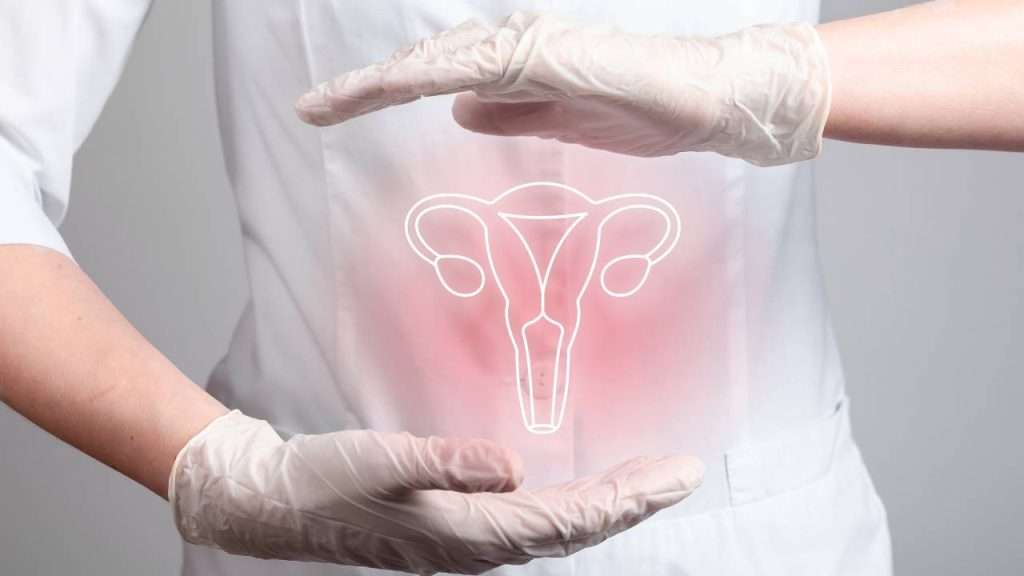
Endometriosis in Mississauga
What Is Endometriosis?
Endometriosis is a condition in which tissue similar to the endometrial lining-the tissue that usually lines the uterus-grows outside of it. This tissue may appear on pelvic organs such as the ovaries, fallopian tubes, bladder, or bowel. Unlike menstrual blood, which exits the body, this tissue remains trapped. Over time, it can lead to inflammation, scarring, and adhesions between structures in the pelvic cavity.
Book a Endometriosis assessment →
Though often discussed in terms of reproductive health, Endometriosis in Mississauga impacts many aspects of physical functioning. Its presence outside the uterus means symptoms can extend far beyond the menstrual cycle, influencing bladder health, bowel function, and even musculoskeletal patterns in the hips and lower back.
What Symptoms Are Associated With Endometriosis?
Symptoms of endometriosis vary significantly between individuals. Some may experience chronic pelvic discomfort, while others remain unaware until fertility becomes a concern. Common symptoms include:
- Ongoing pelvic pain, especially during menstruation
- Pain during or after intercourse
- Unusual bleeding patterns
- Bowel or urinary discomfort
- Fatigue, especially around menstruation
- Discomfort during physical activity or prolonged sitting
For many living with Endometriosis in Mississauga, these symptoms can be cyclical or constant. Understanding the pattern and impact is crucial for appropriate management.
Why Does Endometriosis Develop?
The exact cause remains uncertain. Several theories attempt to explain its origin, including retrograde menstruation, immune system irregularities, and cellular transformation outside the uterus. While no single explanation accounts for all cases, it’s clear that hormonal changes and inflammation play central roles.
Over time, the immune system’s inability to clear this misplaced tissue may allow Endometriosis in Mississauga to persist or progress. This can result in localized sensitivity and changes in tissue mobility, leading to pain or dysfunction.
Movement Patterns and Muscular Response
Chronic discomfort alters the way the body moves and reacts. Individuals may adjust posture or limit movement to avoid pain, leading to overuse or underuse of specific muscles. In the case of Endometriosis in Mississauga, this often involves the pelvic floor, abdominal muscles, and hip stabilizers.
Tension or guarding can develop in the pelvic floor as a protective response. While initially helpful, this guarding can become habitual and restrict blood flow, mobility, and nerve communication. These muscular changes may then contribute to ongoing discomfort, creating a cycle that is difficult to break without targeted intervention.
Nerve Sensitivity and Its Role
Pain linked to endometriosis is not only mechanical; nerve involvement plays a role. Nerves in the pelvic region may become sensitized due to ongoing inflammation or pressure from surrounding tissues. This can lead to amplified sensations, even in response to mild stimuli such as sitting or gentle stretching.
This heightened sensitivity can also extend to other body systems. Some individuals with Endometriosis in Mississauga report overlapping conditions such as bladder discomfort, irritable bowel symptoms, or generalized fatigue. Addressing these interconnected patterns requires a careful and thorough approach.
Functional Impact
Living with Endometriosis in Mississauga may influence several areas of life. Physical activity, work performance, intimacy, and social participation can all be affected. Movement limitations often stem not just from the pain itself, but from the body’s learned protective responses.
Simple activities like bending forward, climbing stairs, or holding certain positions may cause discomfort. Over time, these experiences may lead to decreased Confidence in movement or reduced participation in everyday routines.
Understanding the individual’s response to pain is essential. Physiotherapists often explore how daily actions and postures relate to symptoms and work toward gradually restoring ease and variability in movement.
What Are the Goals of Physiotherapy for Endometriosis?
Physiotherapy does not aim to cure Endometriosis in Mississauga. Still, it can help manage its effects on the body’s structure and function. While treatment plans vary, some typical goals may include:
- Enhancing tissue mobility
- Reducing muscle guarding in the pelvic region
- Supporting pelvic organ positioning through postural strategies
- Improving awareness and control of core and pelvic muscles
- Addressing compensatory movement patterns elsewhere in the body
These approaches focus on improving function, not just symptom control. By doing so, individuals may begin to restore activities and roles that had become limited due to Endometriosis in Mississauga.
Self-Management and Movement Education
Understanding how to support the body between sessions is an integral part of any care plan. Those managing Endometriosis in Mississauga often benefit from learning ways to monitor and adjust their movement strategies. This may include:
- Diaphragmatic breathing to promote relaxation and circulation
- Targeted mobility work to ease tension in the lower back and hips
- Gentle core activation to support daily tasks without overload
- Positioning strategies for rest and sleep that ease pelvic pressure
- Planning and pacing physical tasks to balance activity and recovery
Education helps individuals make sense of their experiences and respond with greater Confidence. Over time, this may reduce the feeling of unpredictability often associated with Endometriosis in Mississauga.
Psychological and Emotional Considerations
While physiotherapy focuses on the physical aspect of endometriosis, it’s essential to recognize the emotional toll it can take. Ongoing pain, fatigue, and disruption to daily life may contribute to frustration, anxiety, or isolation. These responses are common and valid.
Open communication with healthcare professionals supports more collaborative and responsive care. Physiotherapists often work alongside other health providers to ensure care plans reflect the full scope of an individual’s needs related to Endometriosis in Mississauga.
When Should You Seek Help?
Pain during menstruation is often normalized, which can delay recognition and intervention. However, if pain begins to interfere with routine activities-such as work, exercise, intimacy, or sleep-it is worth seeking professional input.
Early assessment helps clarify the source of symptoms and identifies patterns that may benefit from targeted support. For those already diagnosed, physiotherapy offers tools to complement medical care and build strategies for day-to-day functioning with Endometriosis in Mississauga.
Rejoice Physiocare supports individuals seeking physiotherapy for Endometriosis in Mississauga.
Frequently Asked Questions
Endometriosis is a condition where tissue similar to the uterine lining grows outside the uterus, often causing pelvic pain and related symptoms. At Rejoice Physiocare in Mississauga, our pelvic floor physiotherapists offer a supportive, individualized approach using manual therapy, muscle retraining, and pain management strategies to help reduce discomfort and improve function.
I have endometriosis. How can a physiotherapist help?
Physiotherapy does not treat endometriosis itself, which needs medical care, but it may help with the pelvic floor muscle tension, pain and bladder or bowel symptoms that often come with it. Your physiotherapist works alongside your gynaecologist or doctor.
What will my first pelvic health appointment involve?
Your physiotherapist asks about your symptoms, your cycle and how pain affects your daily life, then assesses posture, breathing and muscles. An internal assessment may be offered only with your consent, and you can decline or stop at any time.
Can physiotherapy help with pain during sex or bowel movements?
It may help when pelvic floor muscles are contributing. Your physiotherapist can teach relaxation, breathing and muscle retraining techniques and positions that reduce strain. Results vary, and your doctor should also be involved in your care.
Should I stop any activities during a flare-up?
Gentle movement, heat and pacing can help during a flare. Your physiotherapist can help you plan activity around your cycle and energy levels. Seek urgent care for sudden severe pain, fever or heavy bleeding.
Is pelvic health physiotherapy for endometriosis covered by my benefits?
Pelvic health physiotherapy is billed as physiotherapy and is usually covered under that benefit. No referral is needed to book, and appointments are private and one to one.
Sources and further reading
General health information from independent public and professional sources. It does not replace an assessment with a registered clinician.
- Endometriosis, NHS
- Endometriosis, Physiopedia




