


What does kinesio tape actually do?
Kinesio tape is a stretchy tape applied to the skin. Some people find it helps them feel more supported and move more comfortably during recovery. Research on its effects is mixed, so it is used as a supporting tool alongside exercise, not as a treatment on its own.
How long can I leave the tape on, and can I shower with it?
Tape is usually worn for a few days. You can shower with it, then pat it dry rather than rubbing. Remove it slowly in the direction of hair growth, and take it off sooner if your skin itches or becomes red.
Can you teach me to apply the tape myself?
Yes. If taping helps you, your physiotherapist can show you how to apply it for your problem so you can use it for activity or sport.
Who should not use kinesio tape?
Tape is not used over broken skin, on fragile skin, or if you have had a skin reaction to adhesives. Tell your physiotherapist if you have diabetes, circulation problems or very sensitive skin.
Is taping covered by my benefits?
Taping is usually part of a physiotherapy visit, so it falls under your physiotherapy benefit. Some plans may not cover tape as a separate supply.
Our More Services

Torticollis Treatment in Mississauga, Ontario
Compassionate, hands-on physiotherapy for infants and adults experiencing neck tilt, stiffness, or restricted head movement right here in Mississauga. At Rejoice Physiocare in Mississauga, we look beyond the sore joint to the whole upper body. Physiotherapy addresses why the restriction started, supports lasting movement, and aims to help reduce the chance of recurrence. Book a […]
Read More: Torticollis Treatment in Mississauga, Ontario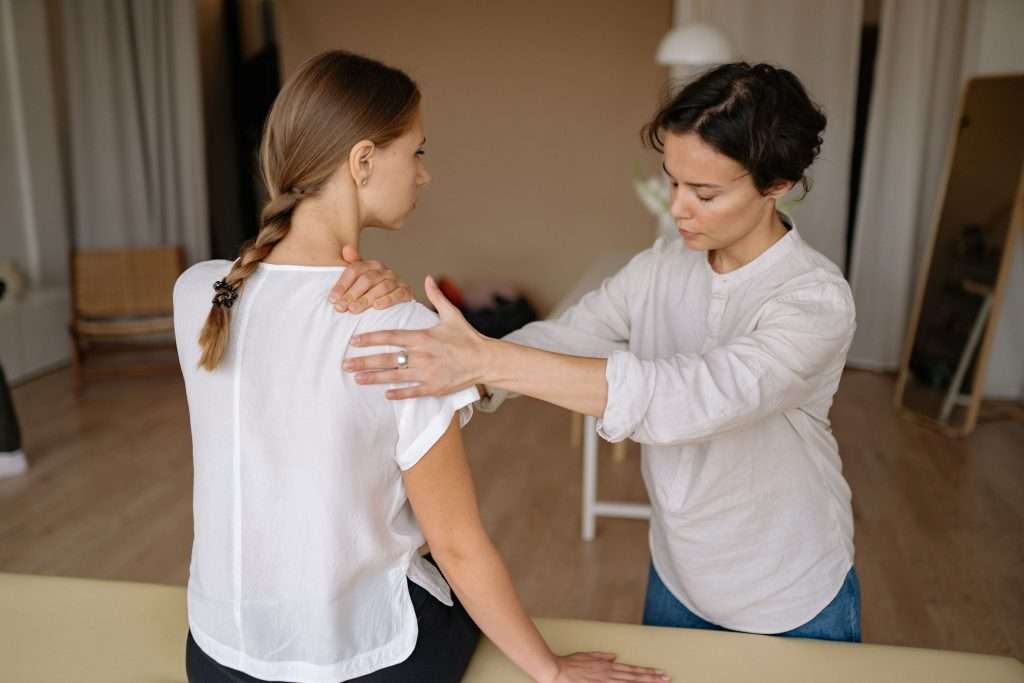
Shoulder Impingement Treatment in Mississauga, Ontario
Shoulder impingement develops when the rotator cuff tendons and bursa are compressed beneath the shoulder, causing pain when you reach overhead or sleep on that side. At Rejoice Physiocare in Mississauga, we look beyond the sore joint to the whole upper body. Physiotherapy addresses why the compression started, supports lasting movement, and aims to help […]
Read More: Shoulder Impingement Treatment in Mississauga, Ontario
Occupational Therapy
Occupational Therapy in Mississauga, Ontario | Care Built Around Your Daily Life Occupational Therapy at Rejoice Physiocare in Mississauga is designed to help you return to the everyday activities that give your life meaning - from getting dressed and preparing meals to caring for your children, participating in your workplace, and moving safely throughout your […]
Read More: Occupational Therapy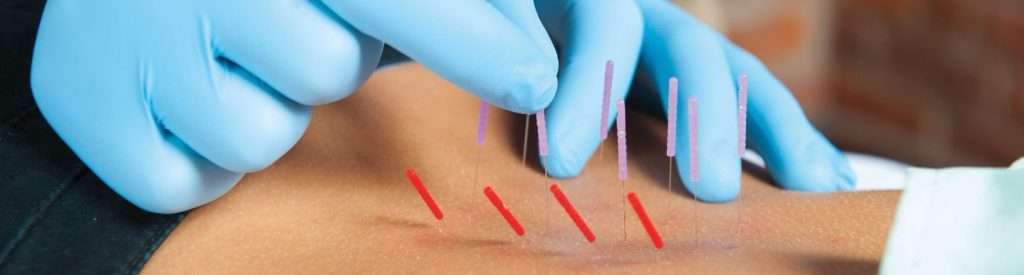
Dry Needling in Mississauga, Ontario
Dry Needling in Mississauga, Ontario Muscle pain, persistent tightness, and stubborn movement restrictions can hold you back from work, sport, and everyday life. At Rejoice Physiocare in Mississauga, dry needling is offered as part of a personalized physiotherapy plan designed to help you move better and feel more like yourself. Book a Dry Needling assessment […]
Read More: Dry Needling in Mississauga, Ontario
Direct Insurance Billing
Rejoice Physiocare offers direct insurance billing in Mississauga - we submit your claim to your insurance provider on your behalf, so in most cases you only pay any portion your plan does not cover. No paying up front and waiting for reimbursement. Book a Direct Insurance Billing assessment → How Direct Billing Works Bring your […]
Read More: Direct Insurance Billing
Registered Massage Therapy (RMT) in Mississauga
Registered Massage Therapy (RMT) at Rejoice Physiocare is provided by massage therapists registered with the College of Massage Therapists of Ontario (CMTO). Treatment receipts are issued for every visit and are accepted by extended health insurance plans, and in many cases we can bill your insurer directly so you pay little or nothing at the […]
Read More: Registered Massage Therapy (RMT) in Mississauga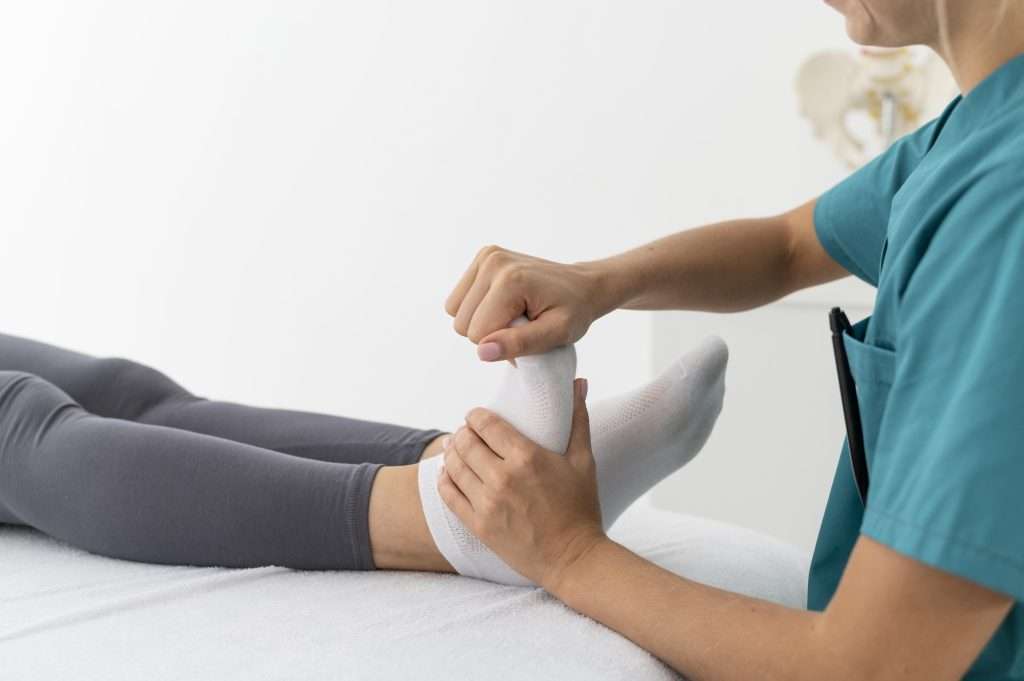
Chiropody
Chiropody in Mississauga | Professional Foot Care Services Chiropody at Rejoice Physiocare in Mississauga focuses on the assessment, treatment, and management of conditions affecting the feet and lower limbs. Proper foot health plays a critical role in overall mobility, balance, posture, and daily comfort. When foot mechanics are compromised, it can lead to pain not […]
Read More: Chiropody
Relaxation Massage
Relaxation Massage in Mississauga Relaxation Massage focuses on calming the body and mind through gentle, flowing techniques.At Rejoice Physiocare, Relaxation Massage in Mississauga is ideal for reducing stress, easing muscle tension, and promoting overall well-being. Book a Relaxation Massage assessment → What Is Relaxation Massage? RelaxaStress and mental fatigue General muscle tightness Headaches caused by […]
Read More: Relaxation Massage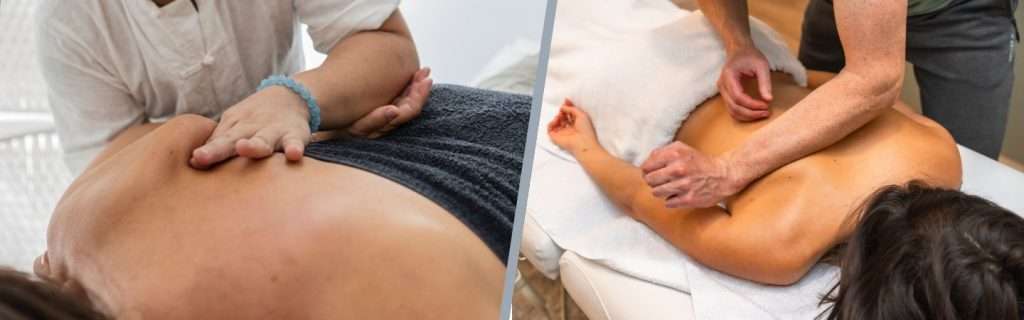
Deep Tissue Massage
Deep Tissue Massage Deep Tissue Massage focuses on releasing long-standing muscle tension and deeper muscle layers. At Rejoice Physiocare, Deep Tissue Massage in Mississauga is used to support pain relief, mobility, and muscular recovery. Book a Deep Tissue Massage assessment → What Is Deep Tissue Massage? Deep Tissue Massage is a therapeutic massage technique that […]
Read More: Deep Tissue Massage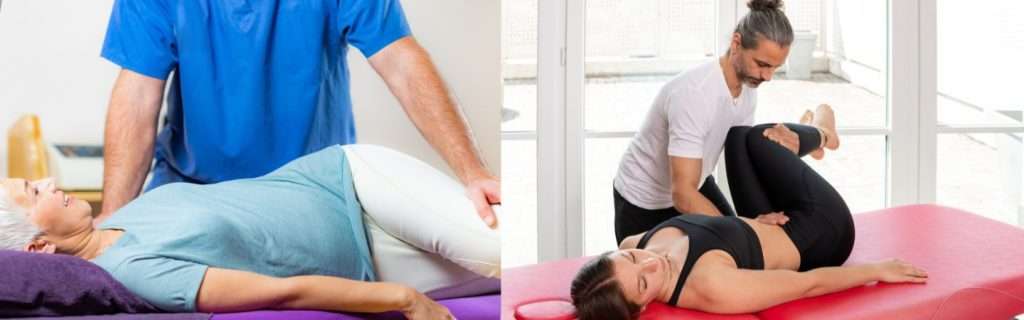
Chiropractic Mobilization
Chiropractic Mobilization Mississauga Chiropractic Mobilization is a gentle, controlled manual technique used to improve joint movement, reduce stiffness, and relieve pain. Unlike forceful adjustments, mobilization involves slow, guided movements applied within a joint’s natural range to restore mobility and support proper biomechanics. Book a Chiropractic Mobilization assessment → This approach is especially beneficial for individuals […]
Read More: Chiropractic Mobilization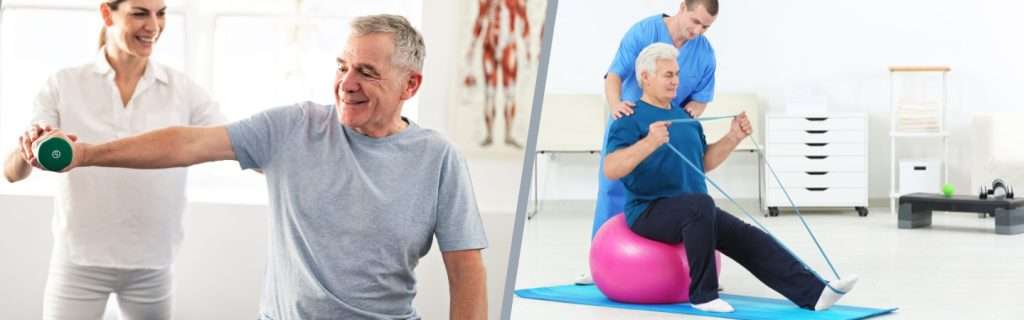
Geriatric Physiotherapy
Geriatric Physiotherapy focuses on the assessment and treatment of age-related movement and functional challenges. As people age, changes in strength, balance, flexibility, joint health, and coordination can affect mobility, independence, and overall quality of life. Book a Geriatric assessment → Older adults may experience gradual physical decline or develop conditions that interfere with daily activities. […]
Read More: Geriatric Physiotherapy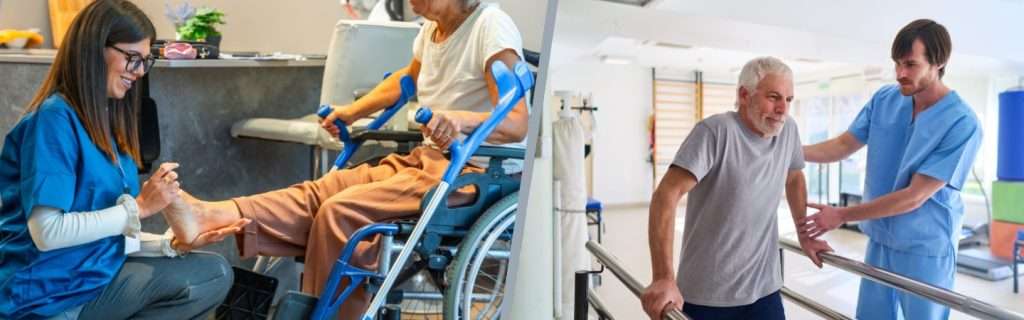
Neurological Physiotherapy
Neurological Physiotherapy Mississauga Neurological Physiotherapy focuses on the assessment and treatment of movement and functional challenges caused by disorders of the nervous system. These conditions can affect the brain, spinal cord, and nerves, leading to difficulties with movement, balance, coordination, strength, and daily activities. Book a Neurological assessment → Neurological conditions may develop suddenly or […]
Read More: Neurological Physiotherapy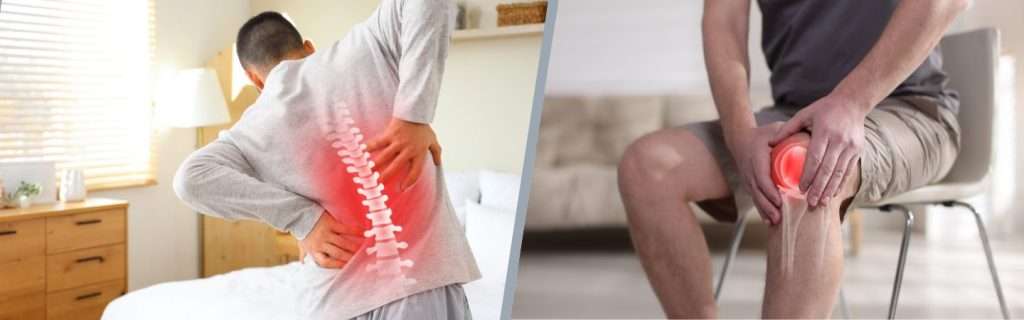
Chronic Pain Management Physiotherapy
Chronic Pain Management Mississauga Chronic Pain Management Physiotherapy focuses on the assessment and treatment of persistent pain that lasts beyond normal healing time. Chronic pain can affect muscles, joints, nerves, and connective tissues, often interfering with daily activities, work, sleep, and overall quality of life. Book a Chronic Pain Management assessment → Unlike acute pain, […]
Read More: Chronic Pain Management Physiotherapy
Sport Injuries Rehabilitation
Concussion and Vestibular Rehabilitation Concussion and Vestibular Rehabilitation focuses on assessing and treating dysfunction of the vestibular system and neurological pathways that control balance, coordination, vision, and spatial awareness. The vestibular system located within the inner ear and closely connected to the brain plays a critical role in maintaining equilibrium, stabilizing vision during movement, and […]
Read More: Sport Injuries Rehabilitation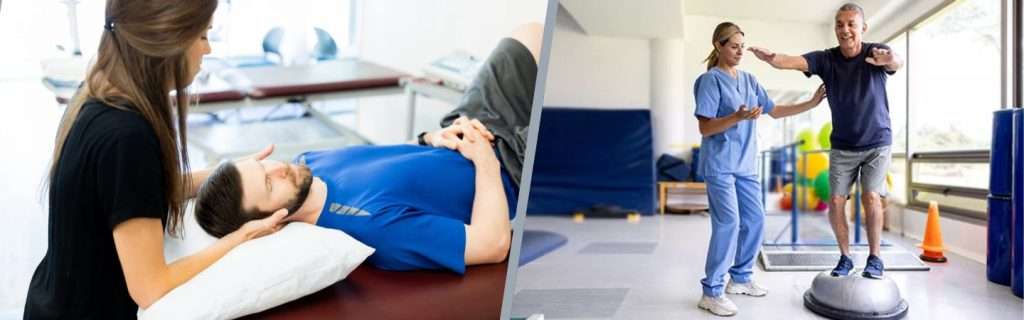
Concussion and Vestibular Rehabilitation
Concussion & Vestibular Rehab Mississauga Concussion and Vestibular Rehabilitation focuses on assessing and treating dysfunction of the vestibular system and neurological pathways that control balance, coordination, vision, and spatial awareness. The vestibular system located within the inner ear and closely connected to the brain plays a critical role in maintaining equilibrium, stabilizing vision during movement, […]
Read More: Concussion and Vestibular Rehabilitation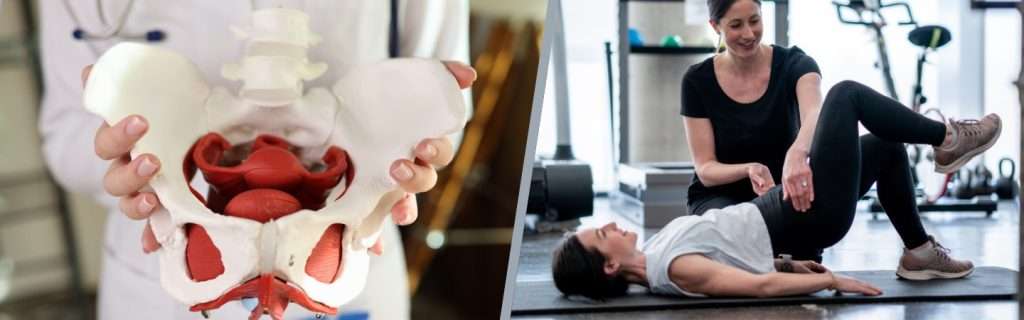
Pelvic Floor Physiotherapy
Pelvic Floor Physiotherapy Mississauga Pelvic Floor Physiotherapy focuses on assessing and treating dysfunction of the pelvic floor muscles that support the bladder, bowel, and reproductive organs. These muscles play a vital role in continence, core stability, posture, and overall movement. Book a Pelvic Floor assessment → Pelvic floor issues can affect people of all ages […]
Read More: Pelvic Floor Physiotherapy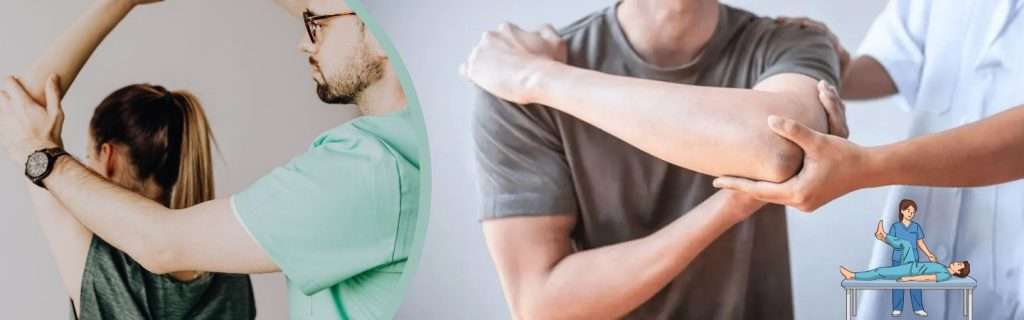
Musculoskeletal Physiotherapy
Musculoskeletal Physiotherapy Mississauga Musculoskeletal Physiotherapy focuses on assessing and treating pain, stiffness, and movement problems related to muscles, joints, ligaments, and connective tissues. This form of physiotherapy is designed to restore mobility, reduce discomfort, and support long-term physical function. Book a Musculoskeletal assessment → Whether pain is caused by work demands, poor posture, injury, or […]
Read More: Musculoskeletal Physiotherapy
Physiotherapy
Physiotherapy in Mississauga | Personalized Rehab Care Physiotherapy at Rejoice Physiocare in Mississauga focuses on restoring movement, reducing pain, improving strength, and supporting long-term physical function. Many individuals seek physiotherapy in Mississauga to recover from injuries, manage chronic pain, improve mobility, or address movement limitations caused by work, sports, or daily activities. Book a Physiotherapy […]
Read More: Physiotherapy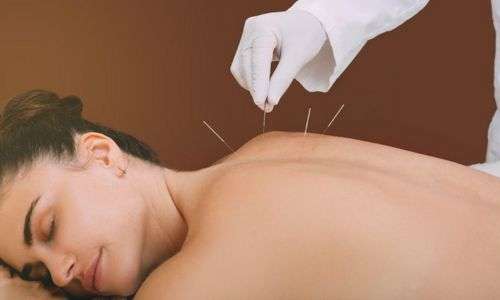
Acupuncture
Acupuncture focuses on restoring energy balance, relieving pain, and promoting overall wellness. Many individuals seek acupuncture in Mississauga to address chronic discomfort, stress-related tension, and a variety of health concerns.
Read More: Acupuncture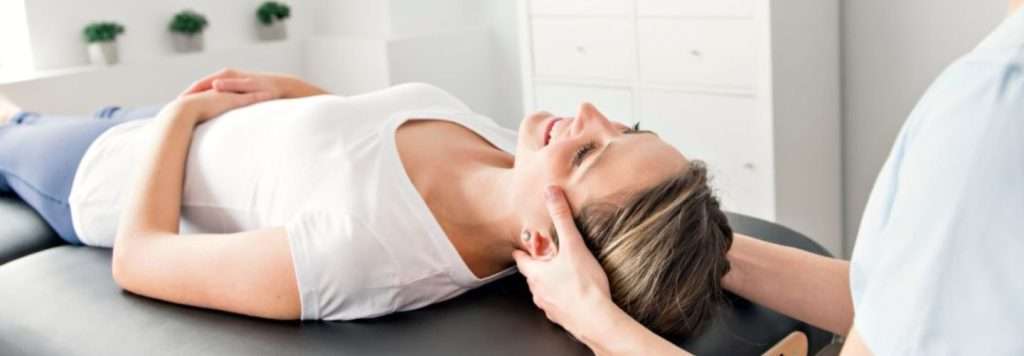
Vestibular & Vertigo Physiotherapy
Vestibular therapy is a specialized form of physiotherapy designed to treat dizziness, vertigo, and balance disorders caused by issues in the vestibular system.
Read More: Vestibular & Vertigo Physiotherapy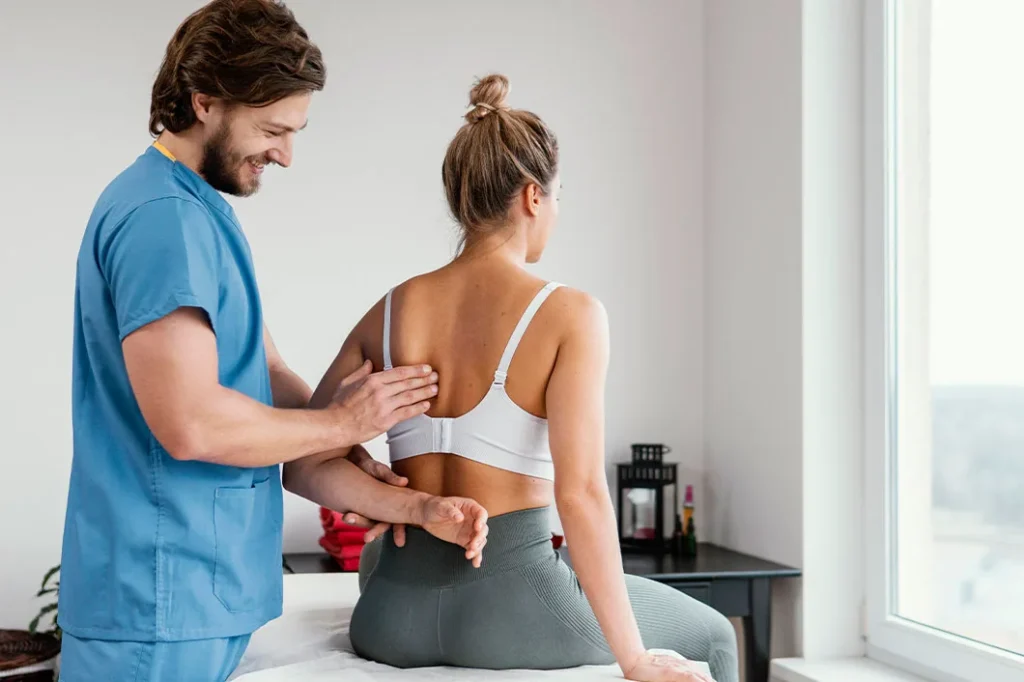
Osteopath
Osteopathy therapy is a gentle, hands-on treatment that restores body balance, relieves pain, and improves mobility by focusing on muscles, joints, and posture. Ideal for natural, long-term healing.
Read More: Osteopath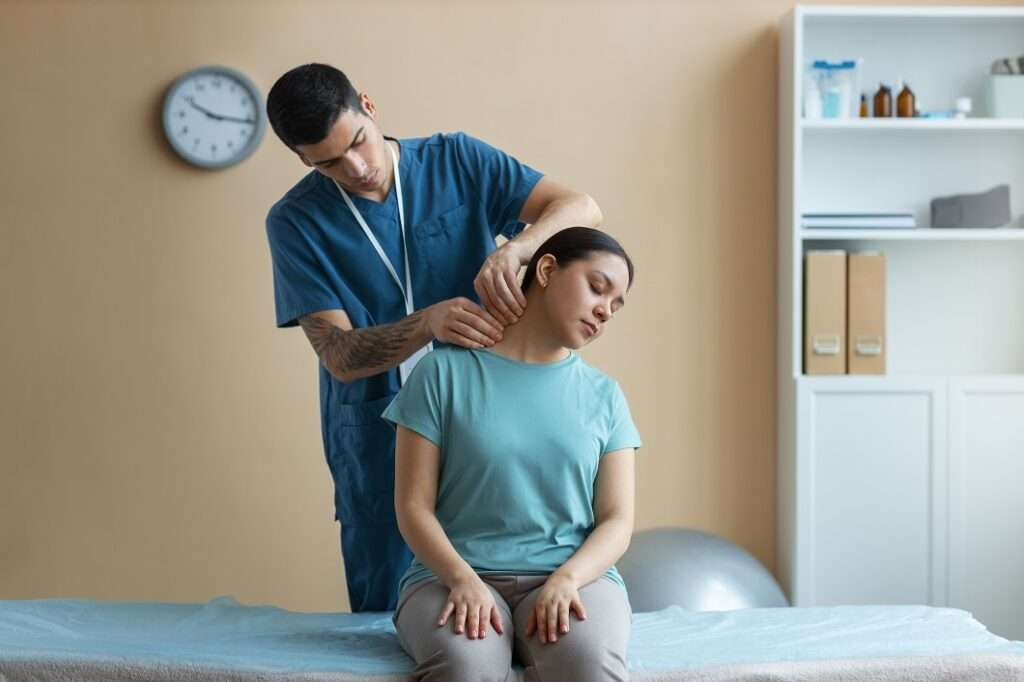
Chiropractic Adjustment
Chiropractic care focuses on improving spinal alignment, joint mobility, and overall musculoskeletal function. Many individuals seek chiropractic adjustment in Mississauga to address discomfort, stiffness, and movement restrictions.
Read More: Chiropractic Adjustment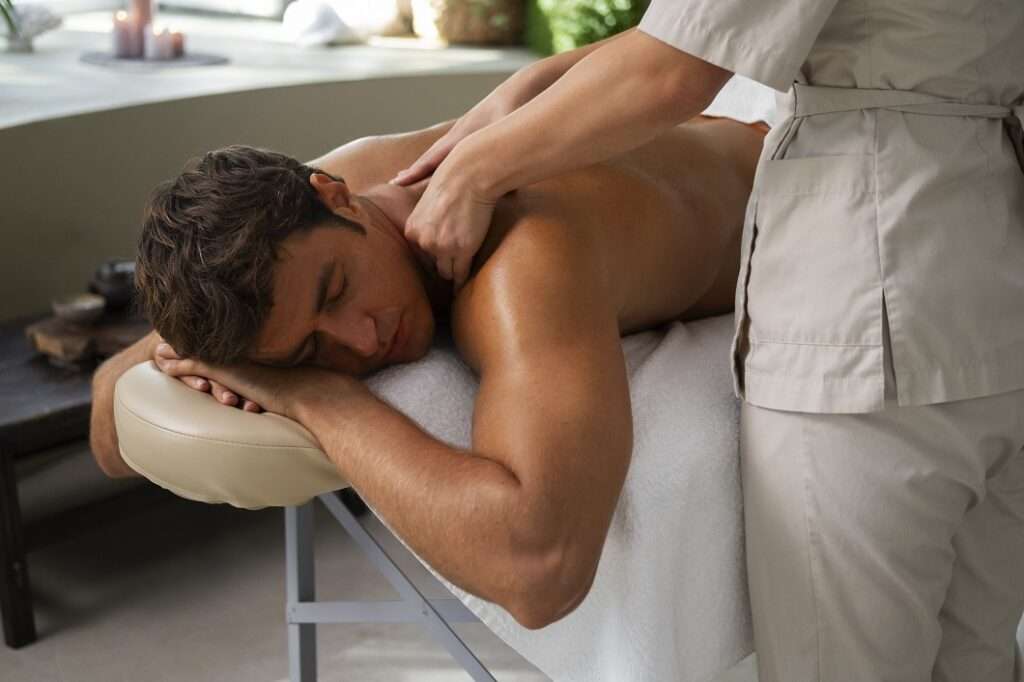
Massage Therapy
Massage therapy focuses on relieving muscle tension, improving circulation, and promoting relaxation. Many individuals seek massage therapy in Mississauga to address stiffness, discomfort, and stress-related tension.
Read More: Massage Therapy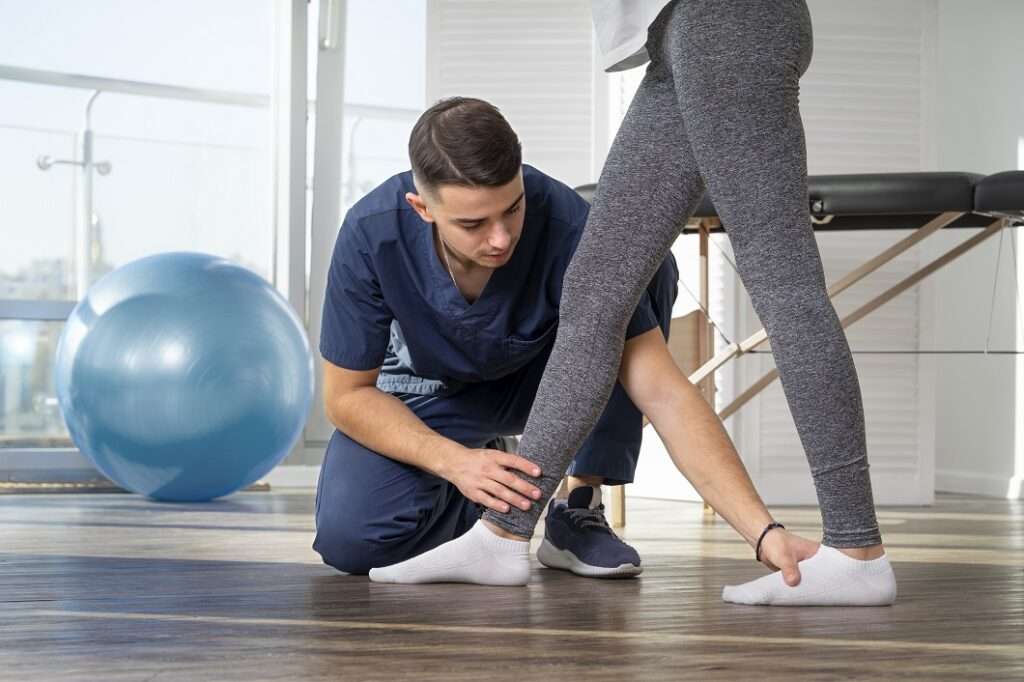
Orthotics
Foot discomfort can affect daily activities, mobility, and posture. Many individuals seek custom orthotics in Mississauga to address foot pain, improve stability, and support proper alignment.
Read More: Orthotics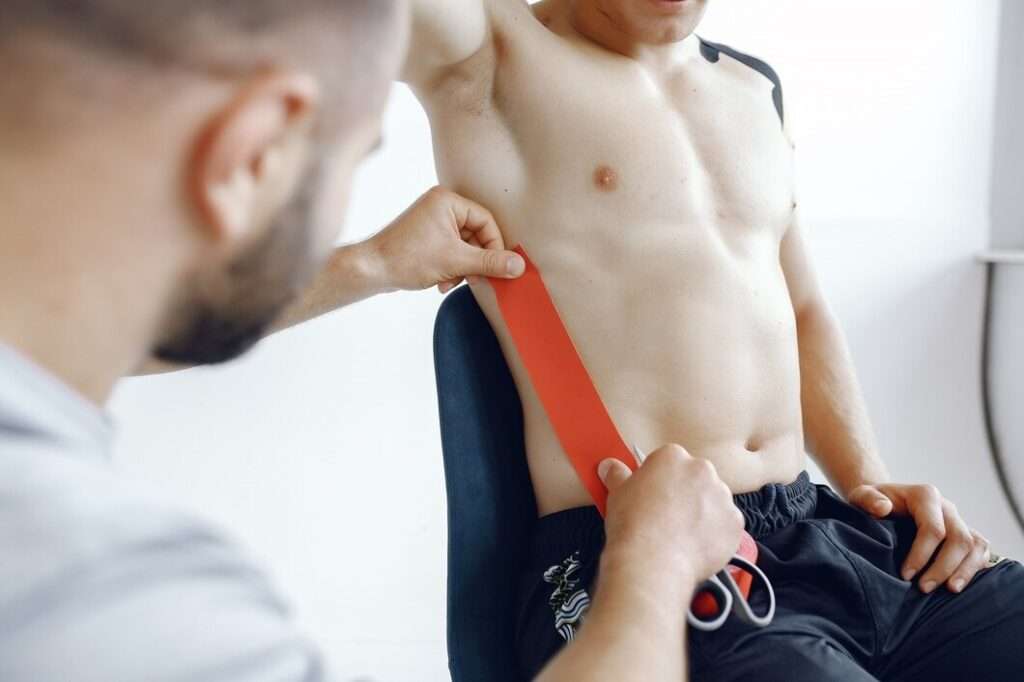
Taping
Taping is a widely used method to support joints, muscles, and soft tissues during movement. Many individuals seek taping in Mississauga to help with stability, posture, and injury management.
Read More: Taping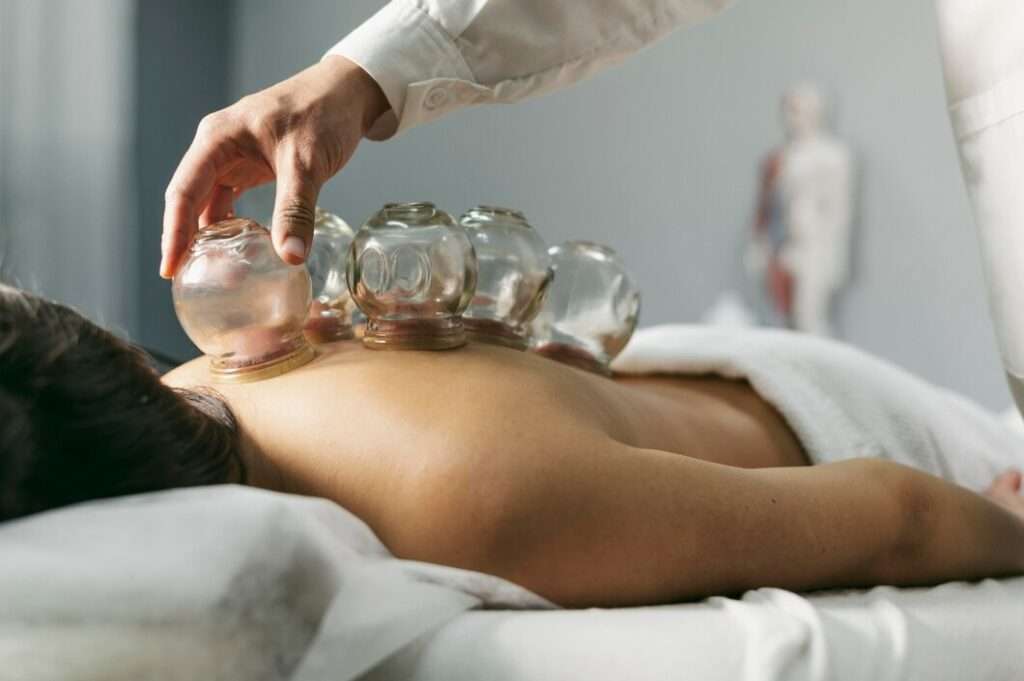
Cupping
Cupping is a practice that has been used for centuries to promote circulation and assist with muscle tension. Many individuals seek cupping in Mississauga to help with mobility, physical discomfort, and recovery.
Read More: Cupping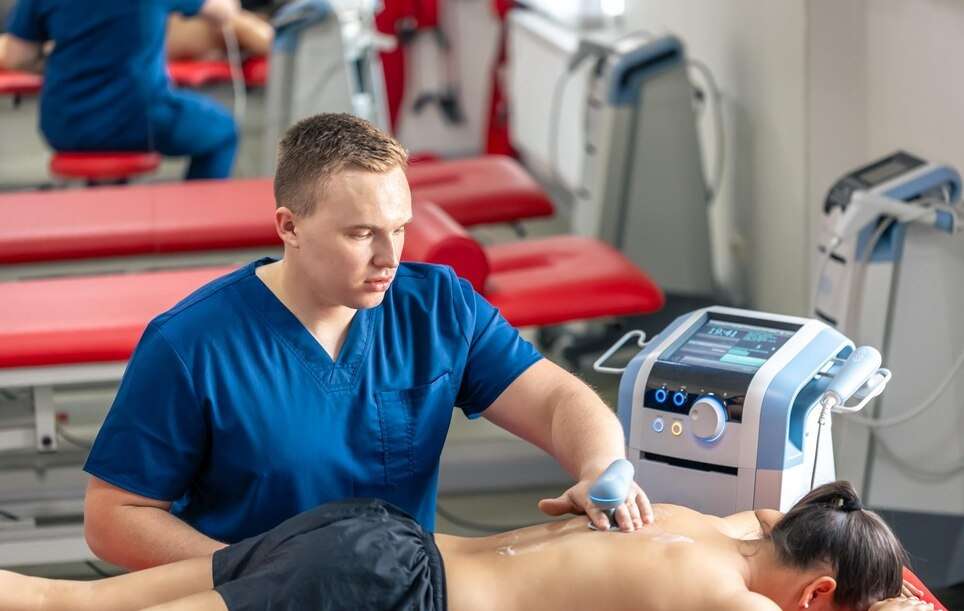
Ultrasound Therapy
Ultrasound therapy is commonly used to assist with soft tissue care and muscle function. Many individuals seek ultrasound therapy in Mississauga to help address movement restrictions and maintain mobility.
Read More: Ultrasound Therapy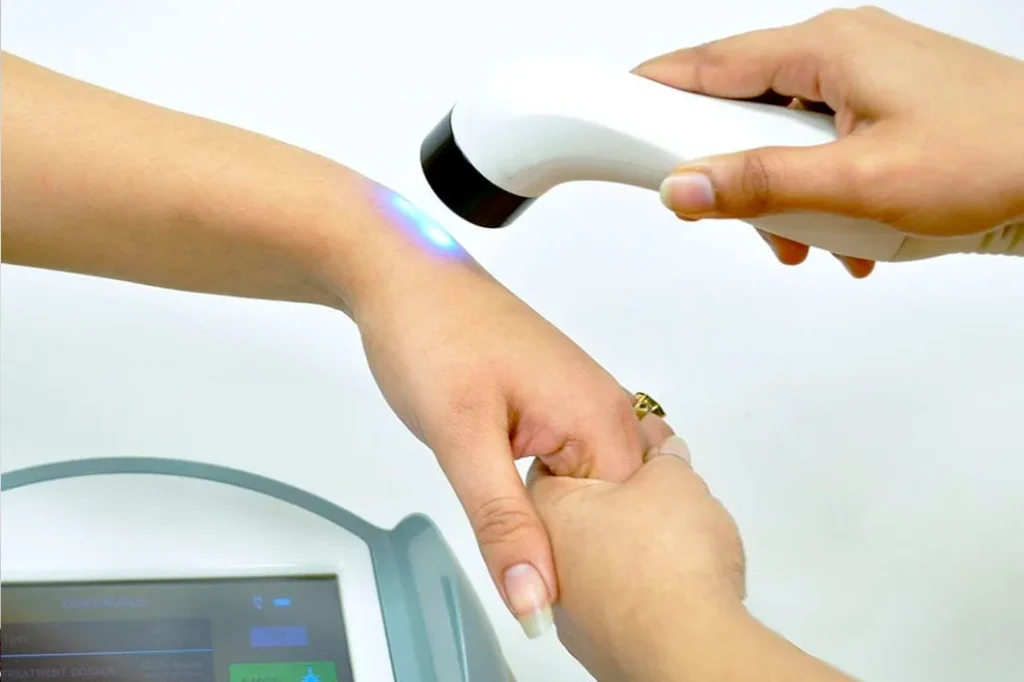
Laser Therapy
Laser therapy is a technique used to stimulate soft tissues through light energy. Many individuals seek laser therapy in Mississauga to assist with circulation, muscle function, and mobility.
Read More: Laser Therapy
Core Stability
Core stability plays an essential role in movement and posture. Many individuals focus on core stability in Mississauga to support their daily activities, improve balance, and maintain mobility.
Read More: Core Stability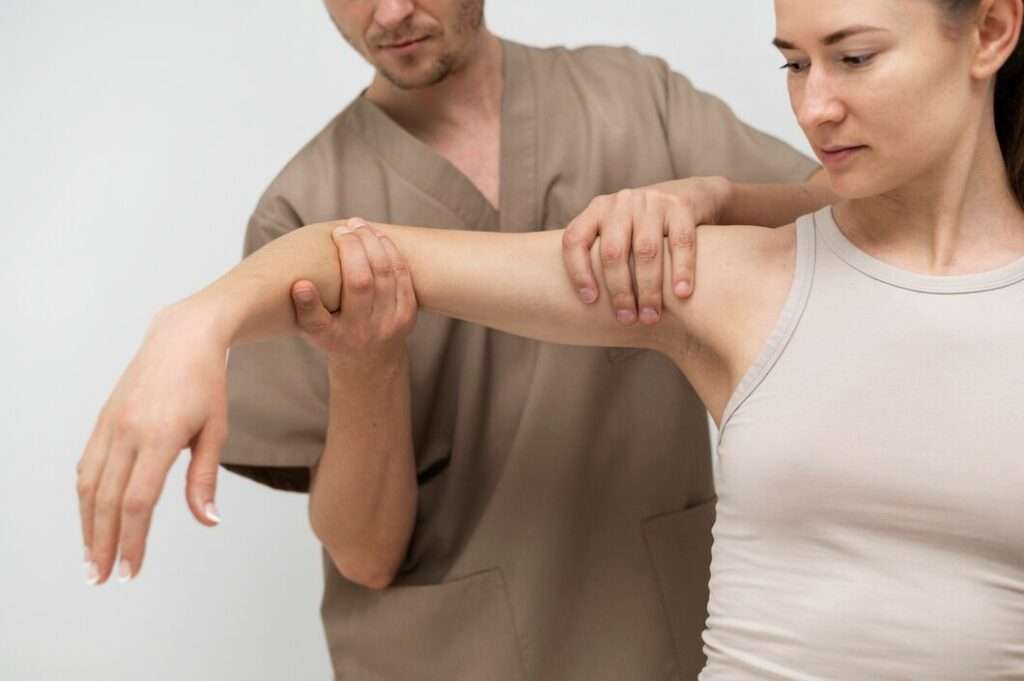
Joint Mobilisations
Joint mobilizations are manual therapy techniques used by physiotherapists to address stiffness, pain, and restricted movement in joints. By gently moving the affected joint within its natural range of motion, this therapy promotes better alignment and reduces discomfort.
Read More: Joint Mobilisations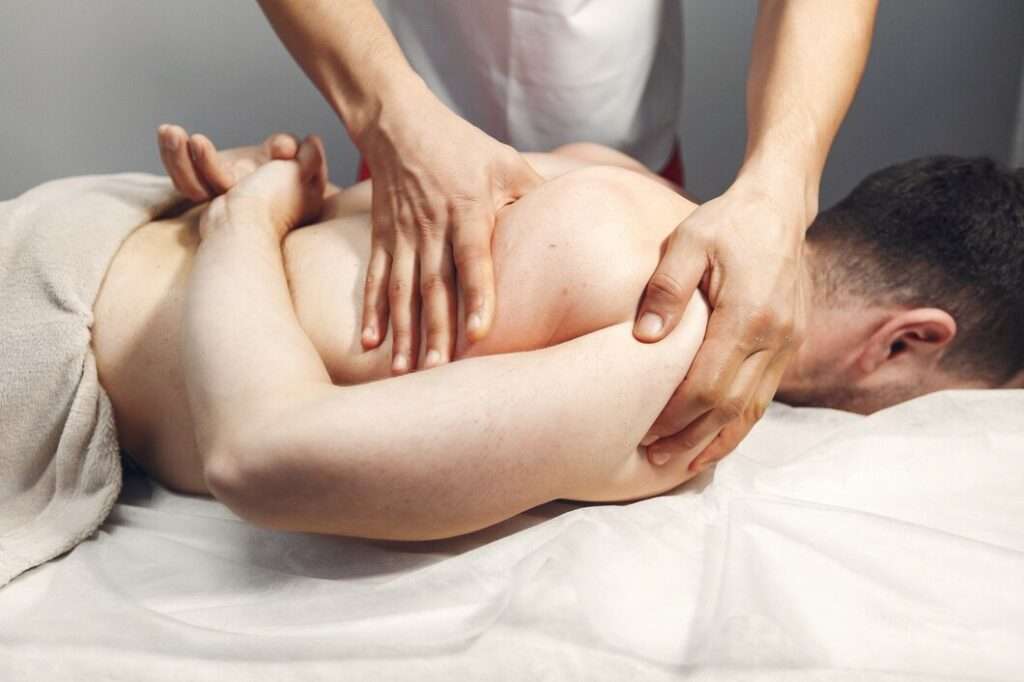
Manual Therapy
Manual therapy involves the use of hands-on treatments to improve pain, range of motion, muscle function, and nerve function. It includes techniques such as joint mobilization, soft tissue mobilization, and myofascial release, among others.
Read More: Manual Therapy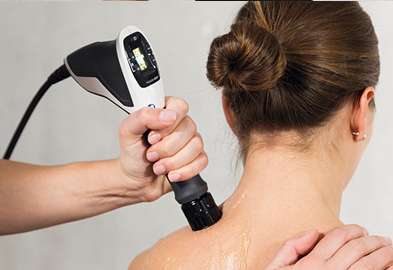
Shockwave Therapy Treatment
Shockwave therapy is a state-of-the-art treatment that uses high-energy acoustic waves to target specific areas of the body. These waves penetrate deep into the tissue, increasing blood flow, reducing inflammation, and accelerating the body's natural healing process.
Read More: Shockwave Therapy Treatment

