Shoulder impingement develops when the rotator cuff tendons and bursa are compressed beneath the shoulder, causing pain when you reach overhead or sleep on that side. At Rejoice Physiocare in Mississauga, we look beyond the sore joint to the whole upper body. Physiotherapy addresses why the compression started, supports lasting movement, and aims to help reduce the chance of recurrence.
Book a Shoulder Impingement assessment →
Book your shoulder assessment today and take the first step toward reclaiming your range of motion.
How Does Shoulder Impingement Treatment Work For Your Shoulder?
When the rotator cuff muscles become unbalanced or weakened, the space inside the shoulder joint narrows, pinching the tendons and bursa that pass through it. Physiotherapy works to restore that space by addressing the entire kinetic chain - not just the point of discomfort.
A typical plan of care may involve:
- Hands-on manual therapy to release joint stiffness and muscle tension
- Progressive exercises targeting rotator cuff and scapular stability
- Postural assessment and correction across the neck and mid-back
- Supportive modalities such as laser therapy or acupuncture to encourage the body’s natural healing process
Because the shoulder works as part of a connected chain, understanding each step of your plan helps you engage confidently with your recovery.
What Are The Benefits Of Shoulder Impingement Physiotherapy?
Individualized, consistent care can bring meaningful improvement across many areas of daily life, work, and physical activity.
By restoring balance across the shoulder complex, care supports both near-term symptom relief and durable physical function - helping you move more comfortably at home, in the community, and during the activities you value.
Book a Shoulder Impingement assessment →
Related Shoulder Concerns We Support
Shoulder impingement rarely occurs in isolation. Our thorough assessment considers the conditions and movement patterns that frequently accompany it, allowing us to build a plan that reflects your full picture:
- Subacromial impingement with a painful arc during lifting
- Rotator cuff strain, irritation, and overuse-related pain
- Shoulder bursitis and joint inflammation
- Postural discomfort from prolonged computer or desk work
- Neck and upper back stiffness affecting shoulder mechanics
- Overhead sport injuries and repetitive strain patterns
Every plan is shaped around your specific symptoms, activity demands, and personal recovery goals, supported by clear education so you understand your condition and the options available to you.
What Makes This Approach Different
Temporary symptom relief and long-term recovery are not the same thing. Shoulder impingement physiotherapy traces the root of the compression - looking at muscle balance, joint mechanics, and posture together rather than focusing solely on where it hurts.
Our musculoskeletal physiotherapy in Mississauga, Ontario recognizes that the shoulder does not move independently. It is connected to the neck, mid-back, and shoulder blade, which means that treating the whole chain - not just the painful joint - works to support more lasting recovery and may reduce the chance that discomfort returns during everyday tasks and activities.
Why Choose Rejoice Physiocare
- Registered, experienced physiotherapists providing evidence-informed care in Mississauga
- Dedicated one-on-one assessment time - not a generic, shared session
- An integrated approach combining manual therapy, progressive exercise, and patient education
- Complementary options including acupuncture and laser therapy where appropriate
- A welcoming, supportive clinic conveniently located in Mississauga
We take the time to explain what is driving your shoulder pain, how your treatment plan is structured, and how each step connects to helping you return to the activities that matter to you.
In Ontario, no physician referral is needed to begin physiotherapy - you can book directly with our team when you are ready to start.
Start Shoulder Impingement Treatment In Mississauga
If shoulder pain is limiting your sleep, work, or workouts, the team at Rejoice Physiocare in Mississauga, Ontario is here to help you move with greater comfort and confidence.
Frequently Asked Questions
What are the common signs of shoulder impingement?
Common signs include a dull ache at the front or outer part of the shoulder, noticeable pain when raising your arm through roughly 60 to 120 degrees of motion, and discomfort when lying on the affected side at night. A registered physiotherapist can evaluate your movement patterns and symptom presentation during an assessment to identify whether impingement is involved, often without the need for imaging.
Do I need a referral to start shoulder impingement treatment in Ontario?
No referral is required to begin shoulder impingement treatment in Ontario - physiotherapists are recognized as primary contact health professionals, so you can book directly. Many extended health benefit plans also allow physiotherapy claims without a physician referral, though reviewing the details of your specific coverage beforehand is always a good idea.
How long does recovery from shoulder impingement take?
Recovery timelines vary depending on how long symptoms have been present, the severity of the impingement, your activity level, and how consistently you engage with your prescribed exercises between sessions. Many people begin to notice meaningful improvement within three to four weeks, and a typical course of care ranges from four to ten weeks across approximately six to twelve sessions.
What happens if shoulder impingement is left untreated?
Short-term rest combined with activity modifications may ease some symptoms temporarily, but the underlying factors such as muscle imbalances, postural habits, or movement dysfunction often remain unaddressed. Without guided rehabilitation, impingement symptoms can return or worsen over time, which is why early physiotherapy is encouraged to support safe activity and longer-term recovery.
Is shoulder impingement treatment painful?
Shoulder impingement treatment is guided by your comfort throughout the process, and sessions are progressed at a pace that avoids aggravating your symptoms. Some mild discomfort during specific movements or exercises can be a normal part of recovery, and your physiotherapist will explain what is considered expected and what signals that something should be adjusted.
Our More Services

Torticollis Treatment in Mississauga, Ontario
Compassionate, hands-on physiotherapy for infants and adults experiencing neck tilt, stiffness, or restricted head movement right here in Mississauga. At Rejoice Physiocare in Mississauga, we look beyond the sore joint to the whole upper body. Physiotherapy addresses why the restriction started, supports lasting movement, and aims to help reduce the chance of recurrence. Book a […]
Read More: Torticollis Treatment in Mississauga, Ontario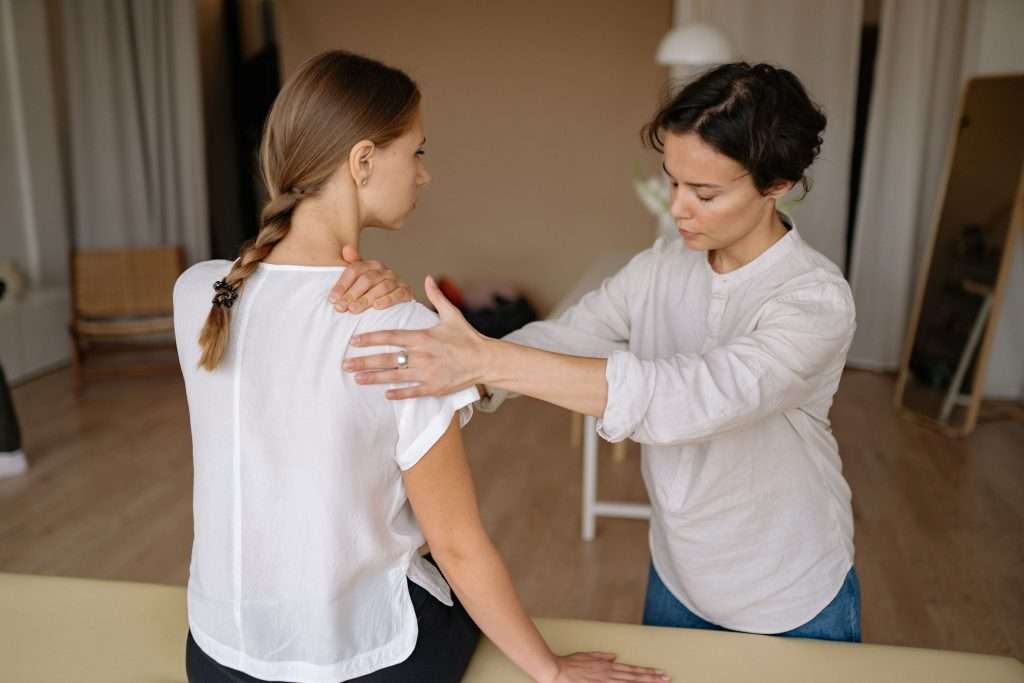
Shoulder Impingement Treatment in Mississauga, Ontario
Shoulder impingement develops when the rotator cuff tendons and bursa are compressed beneath the shoulder, causing pain when you reach overhead or sleep on that side. At Rejoice Physiocare in Mississauga, we look beyond the sore joint to the whole upper body. Physiotherapy addresses why the compression started, supports lasting movement, and aims to help […]
Read More: Shoulder Impingement Treatment in Mississauga, Ontario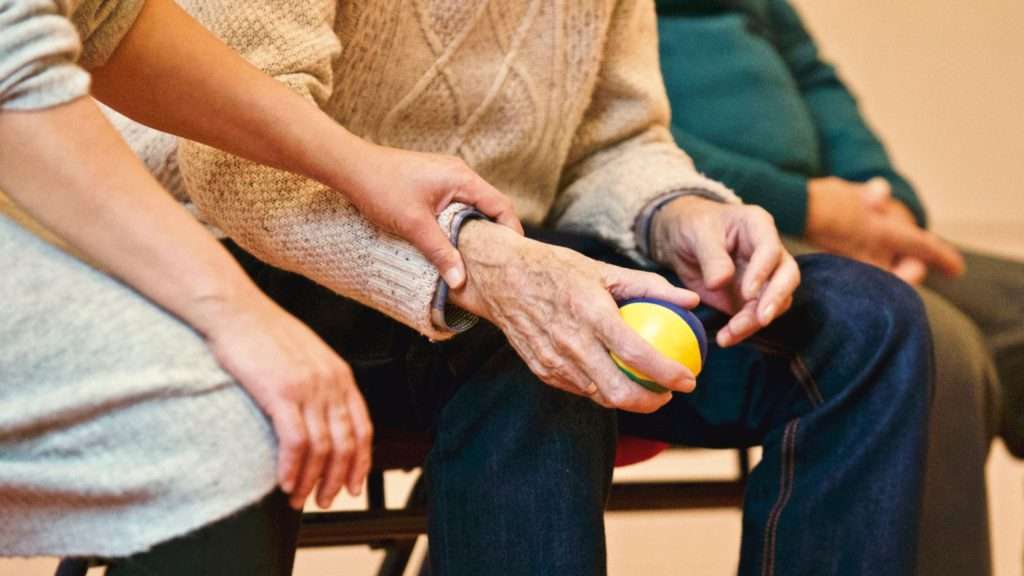
Occupational Therapy
Occupational Therapy in Mississauga, Ontario | Care Built Around Your Daily Life Occupational Therapy at Rejoice Physiocare in Mississauga is designed to help you return to the everyday activities that give your life meaning - from getting dressed and preparing meals to caring for your children, participating in your workplace, and moving safely throughout your […]
Read More: Occupational Therapy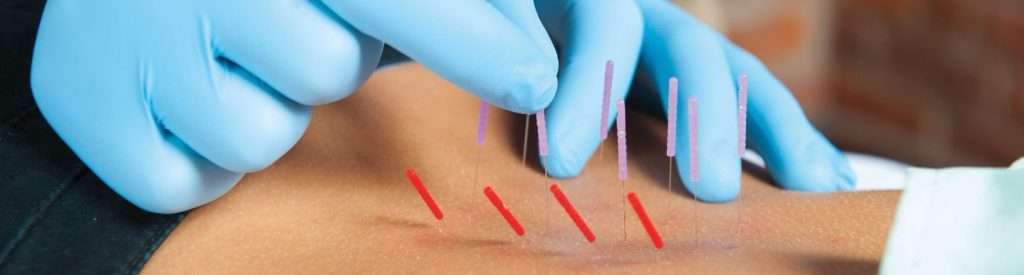
Dry Needling in Mississauga, Ontario
Dry Needling in Mississauga, Ontario Muscle pain, persistent tightness, and stubborn movement restrictions can hold you back from work, sport, and everyday life. At Rejoice Physiocare in Mississauga, dry needling is offered as part of a personalized physiotherapy plan designed to help you move better and feel more like yourself. Book a Dry Needling assessment […]
Read More: Dry Needling in Mississauga, Ontario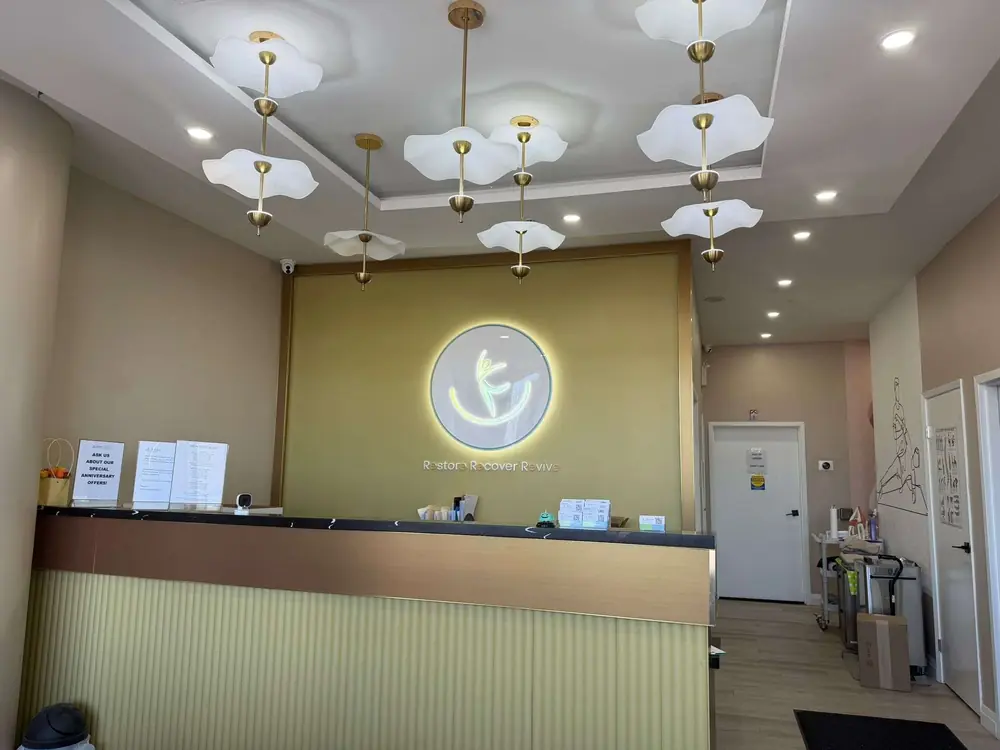
Direct Insurance Billing
Rejoice Physiocare offers direct insurance billing in Mississauga - we submit your claim to your insurance provider on your behalf, so in most cases you only pay any portion your plan does not cover. No paying up front and waiting for reimbursement. Book a Direct Insurance Billing assessment → How Direct Billing Works Bring your […]
Read More: Direct Insurance Billing
Registered Massage Therapy (RMT) in Mississauga
Registered Massage Therapy (RMT) at Rejoice Physiocare is provided by massage therapists registered with the College of Massage Therapists of Ontario (CMTO). Treatment receipts are issued for every visit and are accepted by extended health insurance plans, and in many cases we can bill your insurer directly so you pay little or nothing at the […]
Read More: Registered Massage Therapy (RMT) in Mississauga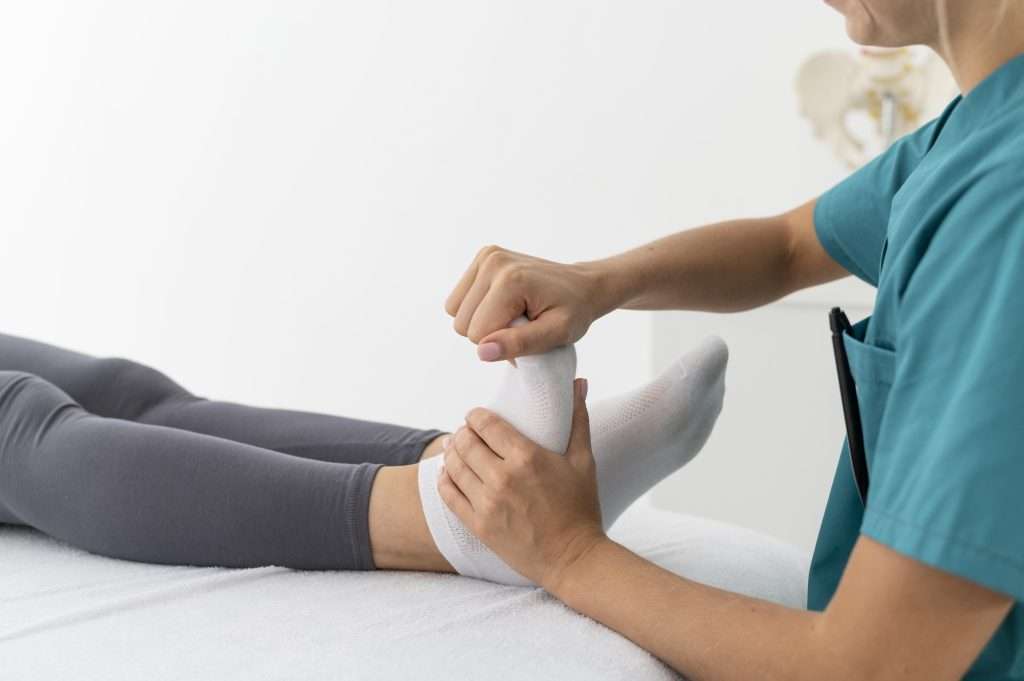
Chiropody
Chiropody in Mississauga | Professional Foot Care Services Chiropody at Rejoice Physiocare in Mississauga focuses on the assessment, treatment, and management of conditions affecting the feet and lower limbs. Proper foot health plays a critical role in overall mobility, balance, posture, and daily comfort. When foot mechanics are compromised, it can lead to pain not […]
Read More: Chiropody
Relaxation Massage
Relaxation Massage in Mississauga Relaxation Massage focuses on calming the body and mind through gentle, flowing techniques.At Rejoice Physiocare, Relaxation Massage in Mississauga is ideal for reducing stress, easing muscle tension, and promoting overall well-being. Book a Relaxation Massage assessment → What Is Relaxation Massage? RelaxaStress and mental fatigue General muscle tightness Headaches caused by […]
Read More: Relaxation Massage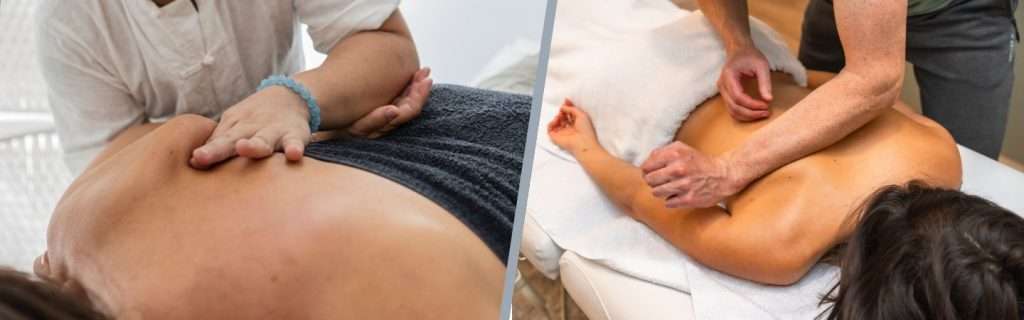
Deep Tissue Massage
Deep Tissue Massage Deep Tissue Massage focuses on releasing long-standing muscle tension and deeper muscle layers. At Rejoice Physiocare, Deep Tissue Massage in Mississauga is used to support pain relief, mobility, and muscular recovery. Book a Deep Tissue Massage assessment → What Is Deep Tissue Massage? Deep Tissue Massage is a therapeutic massage technique that […]
Read More: Deep Tissue Massage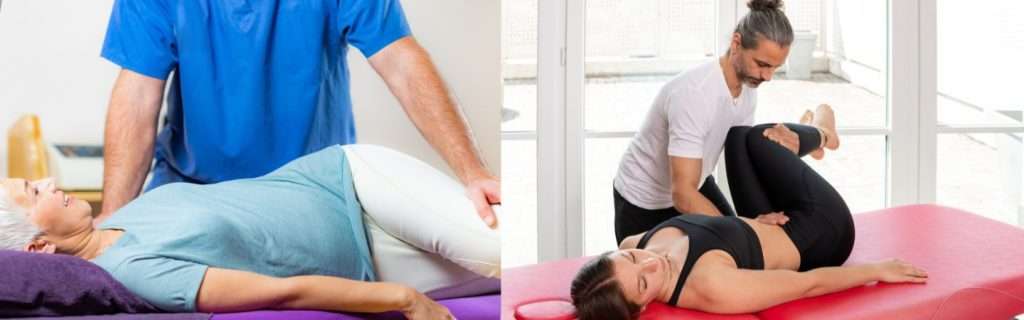
Chiropractic Mobilization
Chiropractic Mobilization Mississauga Chiropractic Mobilization is a gentle, controlled manual technique used to improve joint movement, reduce stiffness, and relieve pain. Unlike forceful adjustments, mobilization involves slow, guided movements applied within a joint’s natural range to restore mobility and support proper biomechanics. Book a Chiropractic Mobilization assessment → This approach is especially beneficial for individuals […]
Read More: Chiropractic Mobilization
Geriatric Physiotherapy
Geriatric Physiotherapy focuses on the assessment and treatment of age-related movement and functional challenges. As people age, changes in strength, balance, flexibility, joint health, and coordination can affect mobility, independence, and overall quality of life. Book a Geriatric assessment → Older adults may experience gradual physical decline or develop conditions that interfere with daily activities. […]
Read More: Geriatric Physiotherapy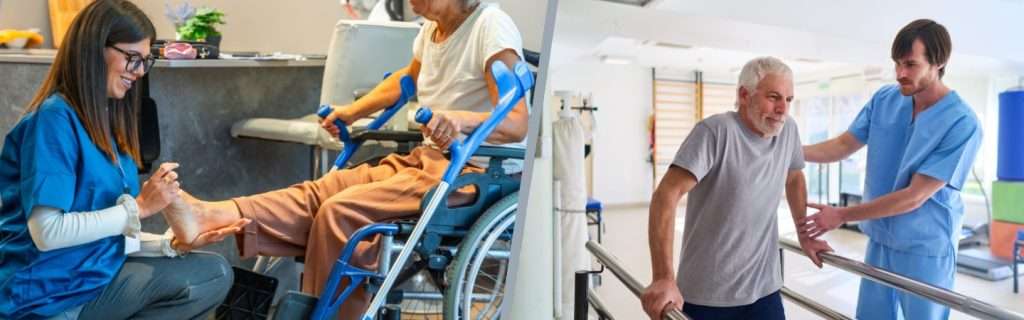
Neurological Physiotherapy
Neurological Physiotherapy Mississauga Neurological Physiotherapy focuses on the assessment and treatment of movement and functional challenges caused by disorders of the nervous system. These conditions can affect the brain, spinal cord, and nerves, leading to difficulties with movement, balance, coordination, strength, and daily activities. Book a Neurological assessment → Neurological conditions may develop suddenly or […]
Read More: Neurological Physiotherapy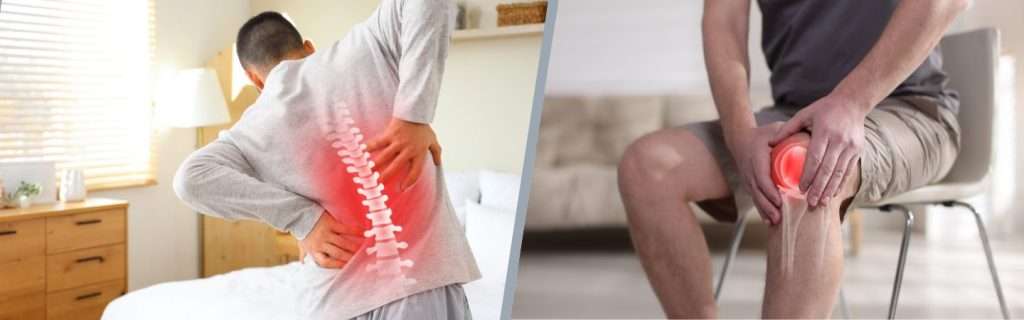
Chronic Pain Management Physiotherapy
Chronic Pain Management Mississauga Chronic Pain Management Physiotherapy focuses on the assessment and treatment of persistent pain that lasts beyond normal healing time. Chronic pain can affect muscles, joints, nerves, and connective tissues, often interfering with daily activities, work, sleep, and overall quality of life. Book a Chronic Pain Management assessment → Unlike acute pain, […]
Read More: Chronic Pain Management Physiotherapy
Sport Injuries Rehabilitation
Concussion and Vestibular Rehabilitation Concussion and Vestibular Rehabilitation focuses on assessing and treating dysfunction of the vestibular system and neurological pathways that control balance, coordination, vision, and spatial awareness. The vestibular system located within the inner ear and closely connected to the brain plays a critical role in maintaining equilibrium, stabilizing vision during movement, and […]
Read More: Sport Injuries Rehabilitation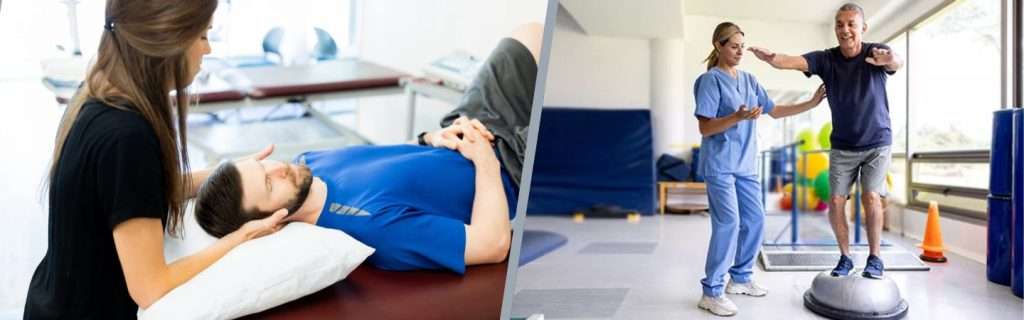
Concussion and Vestibular Rehabilitation
Concussion & Vestibular Rehab Mississauga Concussion and Vestibular Rehabilitation focuses on assessing and treating dysfunction of the vestibular system and neurological pathways that control balance, coordination, vision, and spatial awareness. The vestibular system located within the inner ear and closely connected to the brain plays a critical role in maintaining equilibrium, stabilizing vision during movement, […]
Read More: Concussion and Vestibular Rehabilitation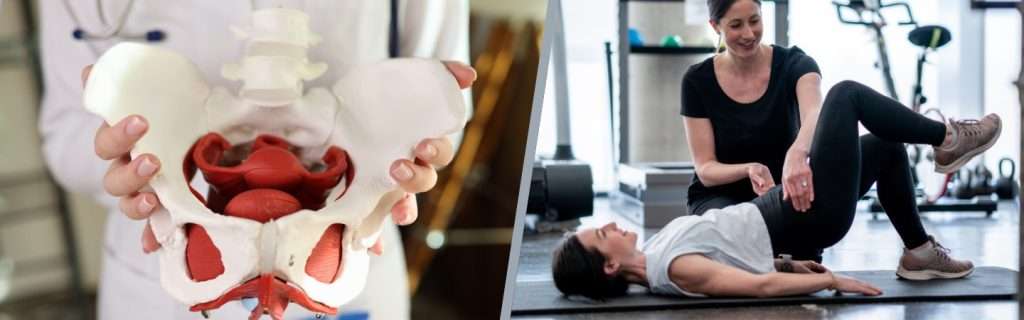
Pelvic Floor Physiotherapy
Pelvic Floor Physiotherapy Mississauga Pelvic Floor Physiotherapy focuses on assessing and treating dysfunction of the pelvic floor muscles that support the bladder, bowel, and reproductive organs. These muscles play a vital role in continence, core stability, posture, and overall movement. Book a Pelvic Floor assessment → Pelvic floor issues can affect people of all ages […]
Read More: Pelvic Floor Physiotherapy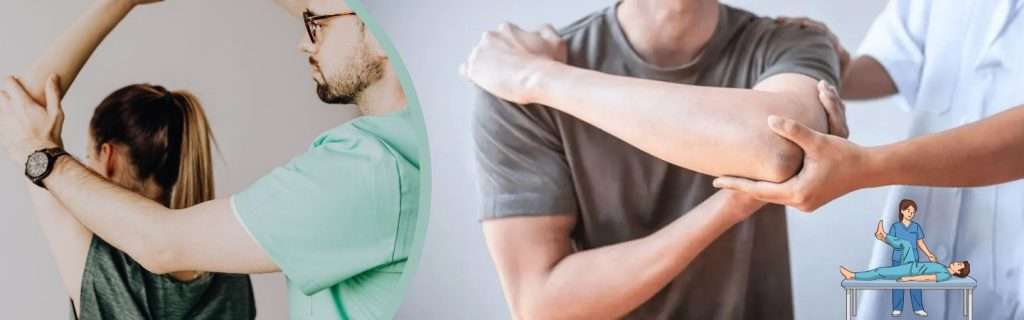
Musculoskeletal Physiotherapy
Musculoskeletal Physiotherapy Mississauga Musculoskeletal Physiotherapy focuses on assessing and treating pain, stiffness, and movement problems related to muscles, joints, ligaments, and connective tissues. This form of physiotherapy is designed to restore mobility, reduce discomfort, and support long-term physical function. Book a Musculoskeletal assessment → Whether pain is caused by work demands, poor posture, injury, or […]
Read More: Musculoskeletal Physiotherapy
Physiotherapy
Physiotherapy in Mississauga | Personalized Rehab Care Physiotherapy at Rejoice Physiocare in Mississauga focuses on restoring movement, reducing pain, improving strength, and supporting long-term physical function. Many individuals seek physiotherapy in Mississauga to recover from injuries, manage chronic pain, improve mobility, or address movement limitations caused by work, sports, or daily activities. Book a Physiotherapy […]
Read More: Physiotherapy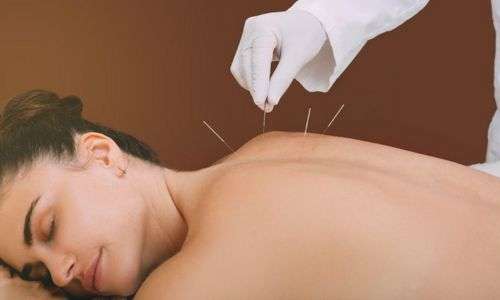
Acupuncture
Acupuncture focuses on restoring energy balance, relieving pain, and promoting overall wellness. Many individuals seek acupuncture in Mississauga to address chronic discomfort, stress-related tension, and a variety of health concerns.
Read More: Acupuncture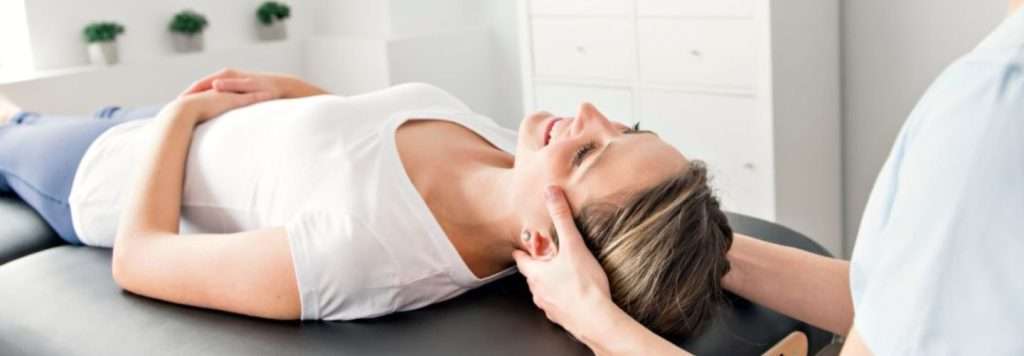
Vestibular & Vertigo Physiotherapy
Vestibular therapy is a specialized form of physiotherapy designed to treat dizziness, vertigo, and balance disorders caused by issues in the vestibular system.
Read More: Vestibular & Vertigo Physiotherapy
Osteopath
Osteopathy therapy is a gentle, hands-on treatment that restores body balance, relieves pain, and improves mobility by focusing on muscles, joints, and posture. Ideal for natural, long-term healing.
Read More: Osteopath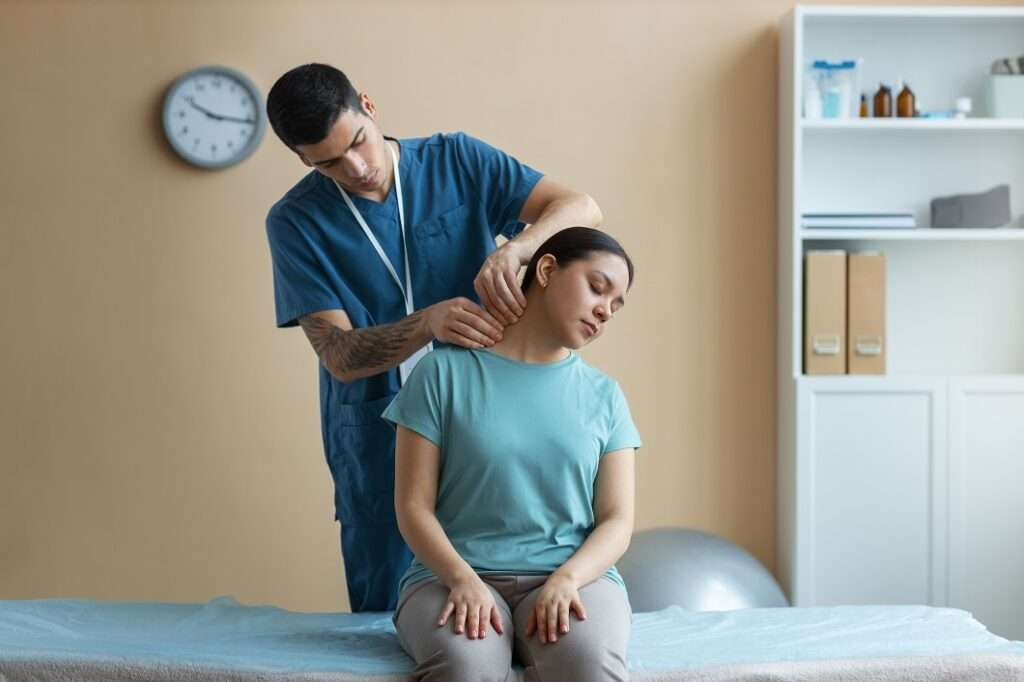
Chiropractic Adjustment
Chiropractic care focuses on improving spinal alignment, joint mobility, and overall musculoskeletal function. Many individuals seek chiropractic adjustment in Mississauga to address discomfort, stiffness, and movement restrictions.
Read More: Chiropractic Adjustment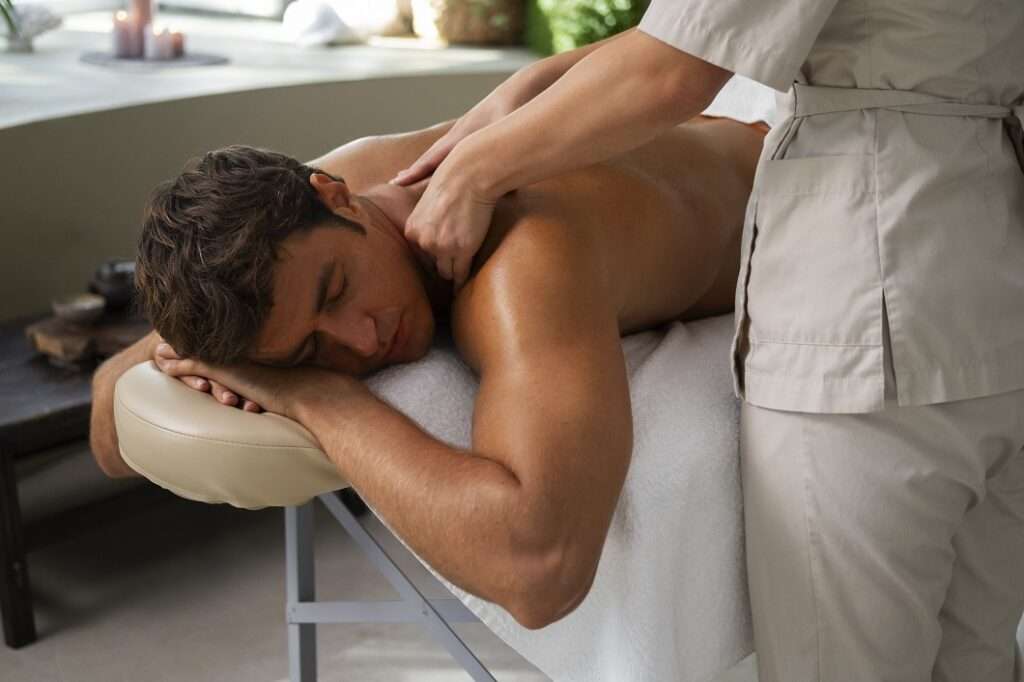
Massage Therapy
Massage therapy focuses on relieving muscle tension, improving circulation, and promoting relaxation. Many individuals seek massage therapy in Mississauga to address stiffness, discomfort, and stress-related tension.
Read More: Massage Therapy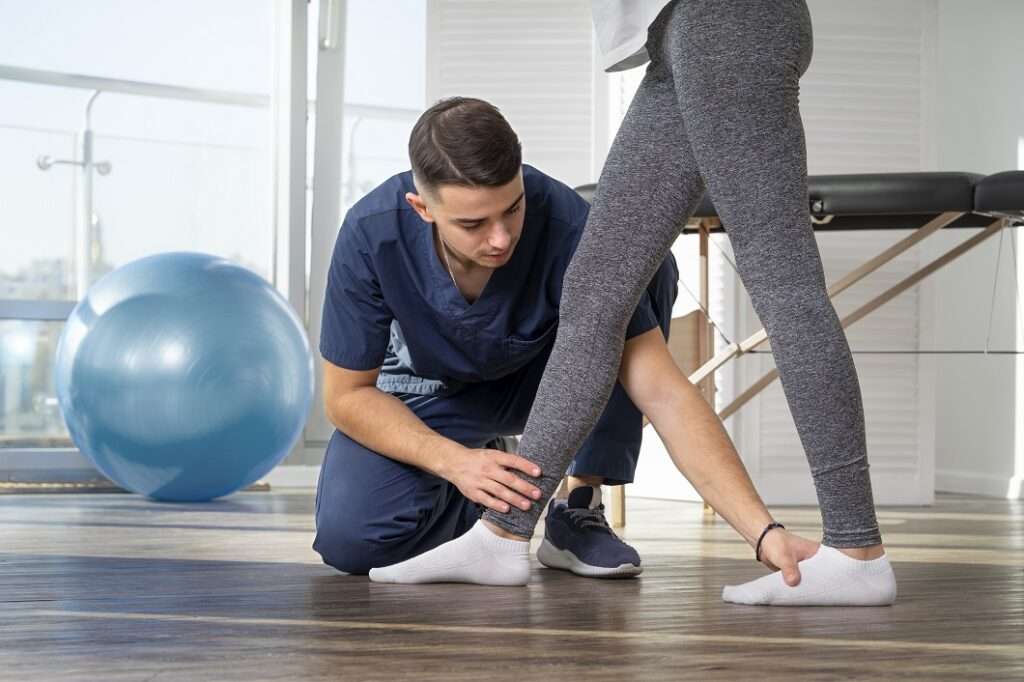
Orthotics
Foot discomfort can affect daily activities, mobility, and posture. Many individuals seek custom orthotics in Mississauga to address foot pain, improve stability, and support proper alignment.
Read More: Orthotics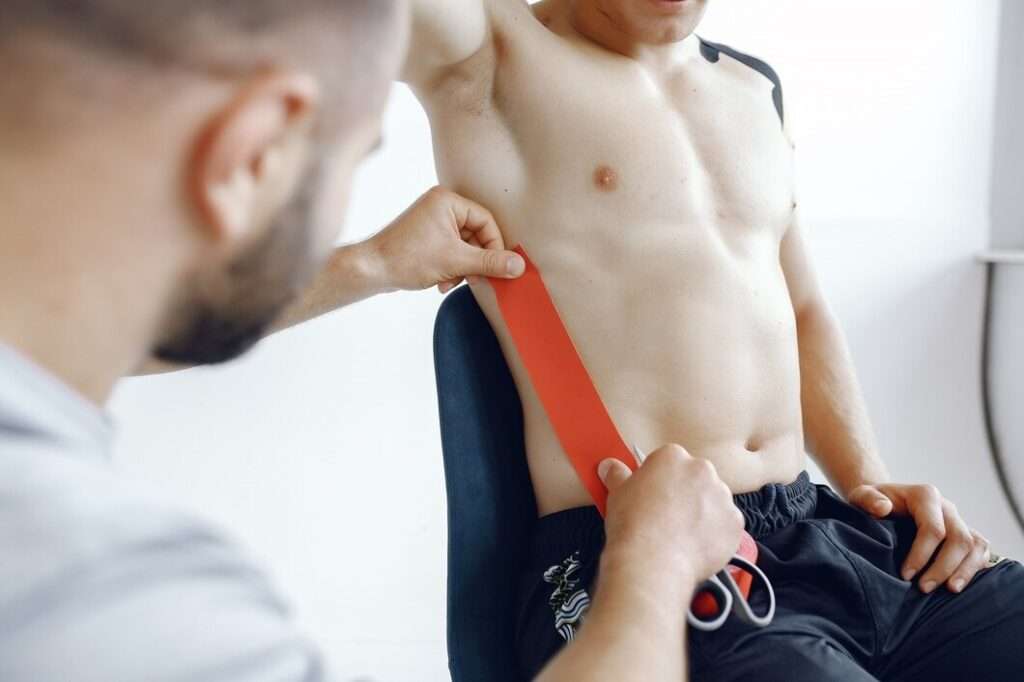
Taping
Taping is a widely used method to support joints, muscles, and soft tissues during movement. Many individuals seek taping in Mississauga to help with stability, posture, and injury management.
Read More: Taping
Cupping
Cupping is a practice that has been used for centuries to promote circulation and assist with muscle tension. Many individuals seek cupping in Mississauga to help with mobility, physical discomfort, and recovery.
Read More: Cupping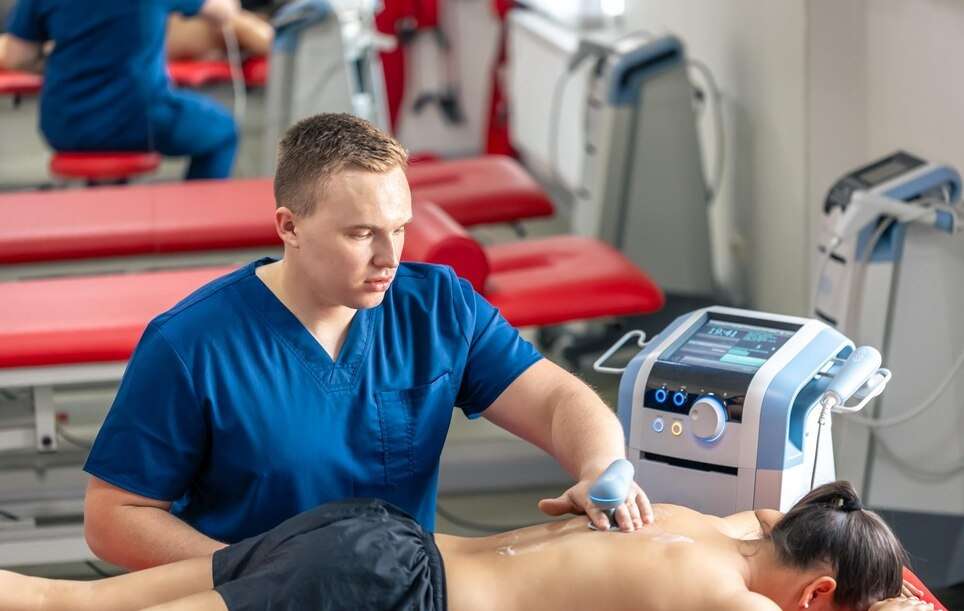
Ultrasound Therapy
Ultrasound therapy is commonly used to assist with soft tissue care and muscle function. Many individuals seek ultrasound therapy in Mississauga to help address movement restrictions and maintain mobility.
Read More: Ultrasound Therapy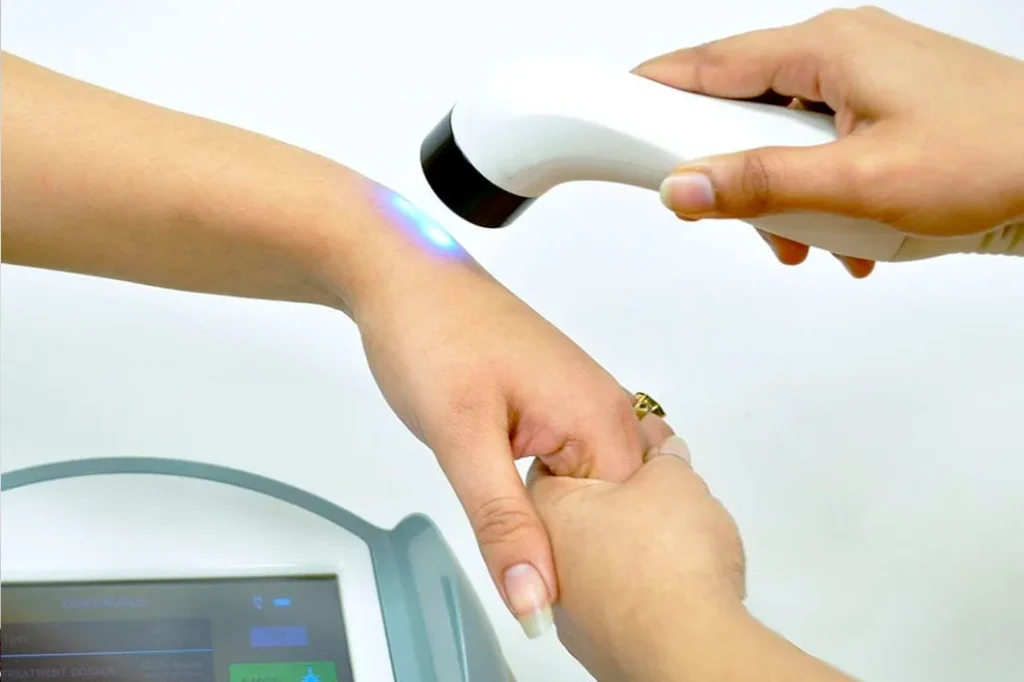
Laser Therapy
Laser therapy is a technique used to stimulate soft tissues through light energy. Many individuals seek laser therapy in Mississauga to assist with circulation, muscle function, and mobility.
Read More: Laser Therapy
Core Stability
Core stability plays an essential role in movement and posture. Many individuals focus on core stability in Mississauga to support their daily activities, improve balance, and maintain mobility.
Read More: Core Stability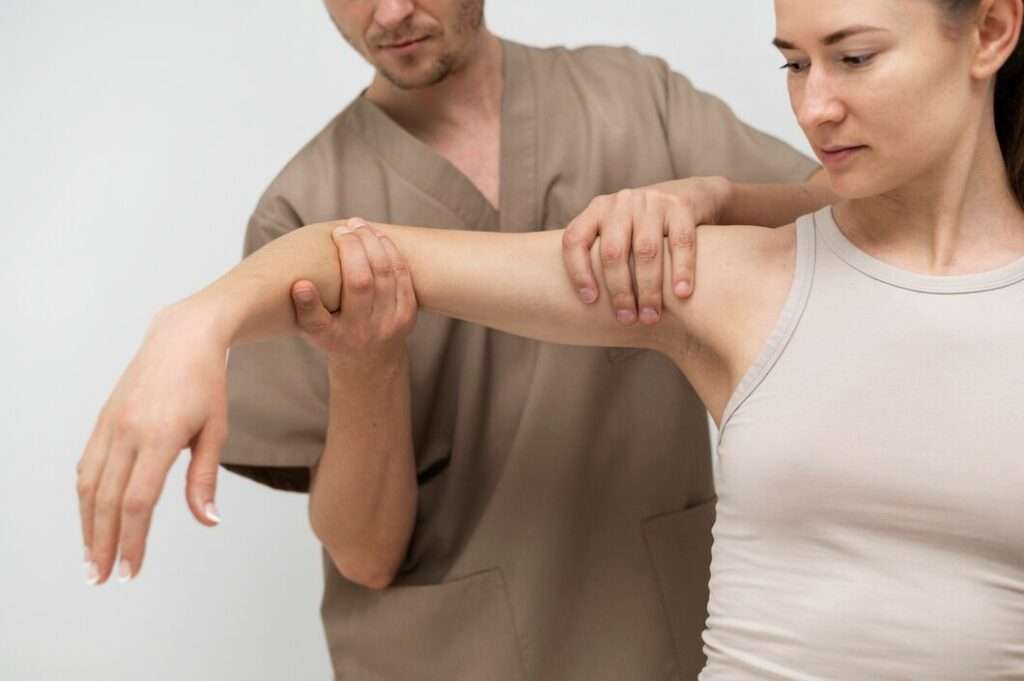
Joint Mobilisations
Joint mobilizations are manual therapy techniques used by physiotherapists to address stiffness, pain, and restricted movement in joints. By gently moving the affected joint within its natural range of motion, this therapy promotes better alignment and reduces discomfort.
Read More: Joint Mobilisations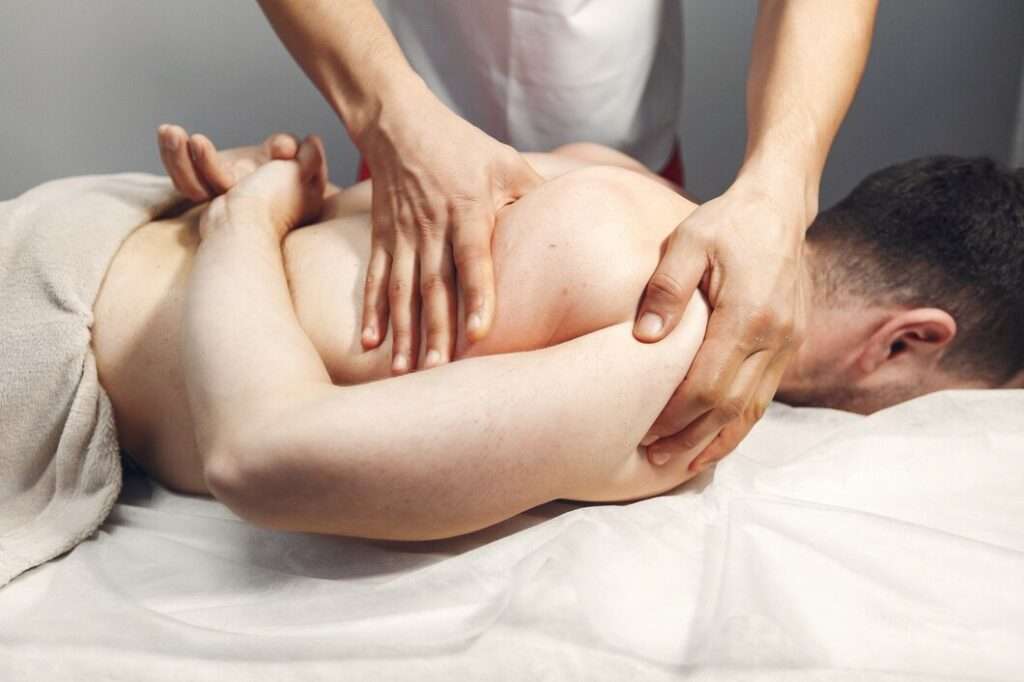
Manual Therapy
Manual therapy involves the use of hands-on treatments to improve pain, range of motion, muscle function, and nerve function. It includes techniques such as joint mobilization, soft tissue mobilization, and myofascial release, among others.
Read More: Manual Therapy
Shockwave Therapy Treatment
Shockwave therapy is a state-of-the-art treatment that uses high-energy acoustic waves to target specific areas of the body. These waves penetrate deep into the tissue, increasing blood flow, reducing inflammation, and accelerating the body's natural healing process.
Read More: Shockwave Therapy Treatment

